Discover the transformative insights in Visual Thinking: The Hidden Gifts Of People Who Think In Pictures, Patterns, And Abstractions, authored by renowned expert Temple Grandin. This landmark book promises to challenge your understanding of cognitive diversity and celebrates the unique contributions of visual thinkers. Have you ever wondered why some people excel in problem-solving or possess an innate sense of direction? This compelling work unveils the reality that you might be among the many who think in vivid images and intricate patterns.
Grandin’s narrative, enriched with cutting-edge research and personal anecdotes, illustrates how society often overlooks these exceptional minds. In a world that frequently prioritizes verbal intelligence, she argues for a shift towards embracing visual thinking as a critical asset for creativity and innovation. By recognizing the hidden gifts of visual thinkers, you can contribute to a more inclusive environment that nurtures diverse cognitive styles. Engage with this eye-opening revelation to understand how embracing your visual thinking can lead to a profound collective benefit in education, the workplace, and beyond.
Visual Thinking: The Hidden Gifts Of People Who Think In Pictures, Patterns, And Abstractions by Ph.D. Temple Grandin is an enlightening exploration into the unique cognitive styles of visual thinkers. This instant New York Times bestseller challenges conventional views about intelligence and creativity, showcasing the diverse coalition of minds we need to tackle the complex challenges of the twenty-first century. By understanding how your own brain structure may align with visual thinking, you can unlock hidden potential and improve problem-solving skills.
Grandin highlights that a substantial portion of the population possesses these abilities, often sidelined by a predominantly verbal-oriented world. Through cutting-edge research, she elaborates on the distinguishing traits of photo-realistic object visualizers and abstract visual-spatial thinkers. This landmark book calls for a shift—the need to embrace and nurture visual thinkers in education, workplaces, and collaboration. Discover how recognizing these hidden gifts can lead to a richer, more innovative society, and why tapping into this untapped resource is paramount for progress. Your insights might just transform the way you perceive yourself and others.
Download Visual Thinking: The Hidden Gifts Of People Who Think In Pictures, Patterns, And Abstractions PDF
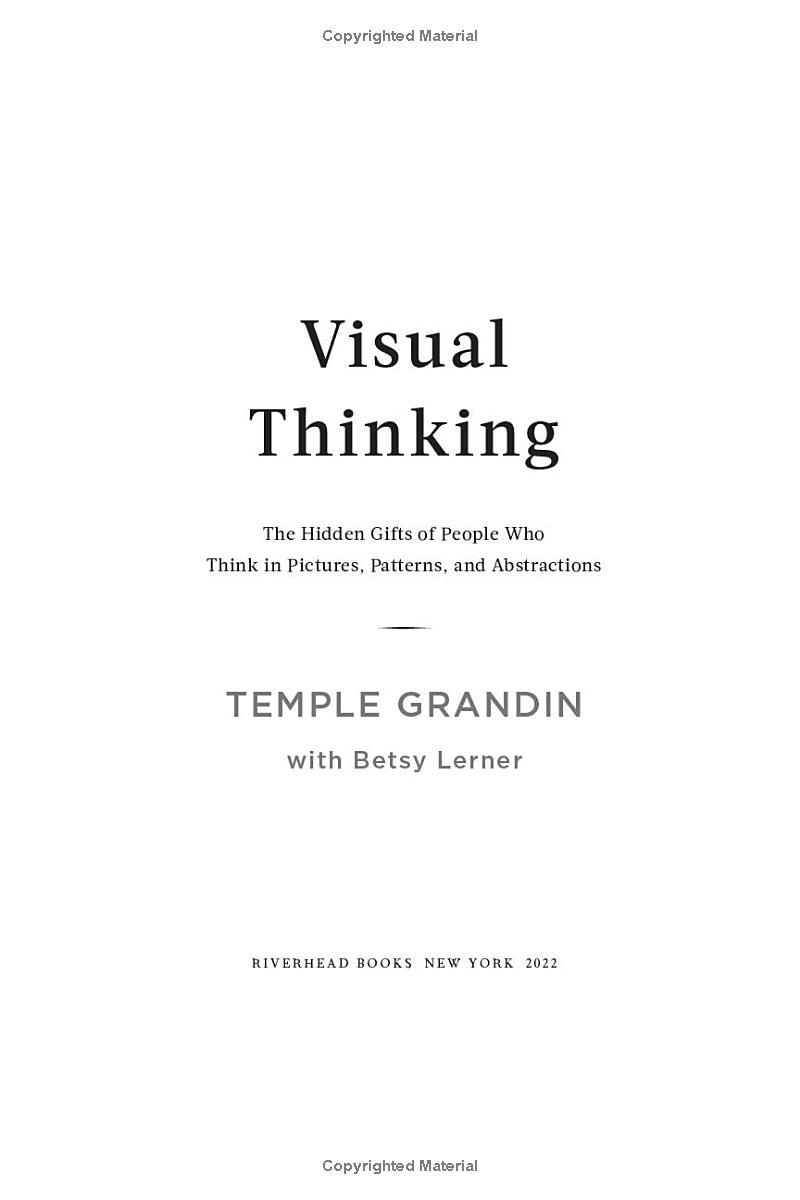
Download book Visual Thinking: The Hidden Gifts Of People Who Think In Pictures, Patterns, And Abstractions PDF or read ebook, epub, listen to audio books online for free book Visual Thinking: The Hidden Gifts Of People Who Think In Pictures, Patterns, And Abstractions PDF by author Ph D Temple Grandin published by publisher Riverhead Books.
| Tác giả: | Ph D Temple Grandin. |
| Nhà xuất bản: | Riverhead Books. |
| Năm xuất bản: | 2022. |
| Ngôn ngữ: | Tiếng Anh. |
| Trọng lượng: | 384gr. |
| Kích thước: | 23 x 15.3 x 3 cm. |
| Số trang: | 352 trang. |
| Hình thức: | Bìa Mềm. |


Read Visual Thinking: The Hidden Gifts Of People Who Think In Pictures, Patterns, And Abstractions Ebook Online
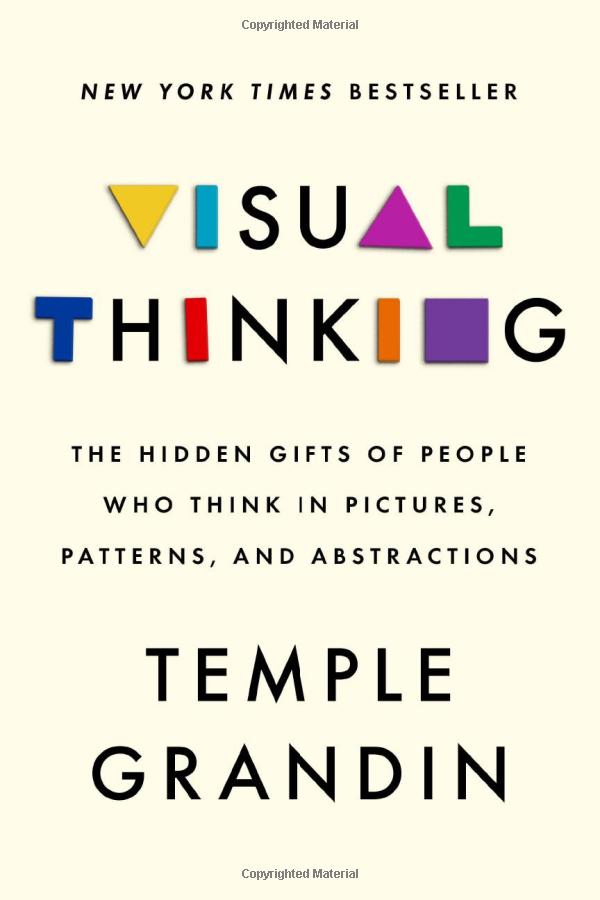
Visual Thinking: The Hidden Gifts Of People Who Think In Pictures, Patterns, And Abstractions
INSTANT NEW YORK TIMES BESTSELLER
WINNER OF THE NAUTILUS GOLD AWARD
“A powerful and provocative testament to the diverse coalition of minds we’ll need to face the mounting challenges of the twenty-first century.” -Steve Silberman
“An absolute eye-opener.” -Frans de Waal
A landmark book that reveals, celebrates, and advocates for the special minds and contributions of visual thinkers
A quarter of a century after her memoir, Thinking in Pictures, forever changed how the world understood autism, Temple Grandin- “an anthropologist on Mars,” as Oliver Sacks dubbed her-transforms our awareness of the different ways our brains are wired. Do you have a keen sense of direction, a love of puzzles, the ability to assemble furniture without crying? You are likely a visual thinker.
With her genius for demystifying science, Grandin draws on cutting-edge research to take us inside visual thinking. Visual thinkers constitute a far greater proportion of the population than previously believed, she reveals, and a more varied one, from the photo-realistic “object visualizers” like Grandin herself, with their intuitive knack for design and problem solving, to the abstract, mathematically inclined “visual spatial” thinkers who excel in pattern recognition and systemic thinking. She also makes us understand how a world increasingly geared to the verbal tends to sideline visual thinkers, screening them out at school and passing over them in the workplace. Rather than continuing to waste their singular gifts, driving a collective loss in productivity and innovation, Grandin proposes new approaches to educating, parenting, employing, and collaborating with visual thinkers. In a highly competitive world, this important book helps us see, we need every mind on board.
Review Visual Thinking: The Hidden Gifts Of People Who Think In Pictures, Patterns, And Abstractions
Visual Thinking: The Hidden Gifts Of People Who Think In Pictures, Patterns, And Abstractions by PhD Temple Grandin is a thought-provoking exploration that significantly reshapes your understanding of cognitive diversity. Imagine unlocking the potential of visual thinkers, who make up a substantial part of the population, often overlooked in a predominantly verbal world. Grandin masterfully combines personal insight with cutting-edge research, fascinatingly revealing how visual thinkers, from photo-realistic object visualizers to abstract spatial thinkers, possess unique strengths in problem-solving and pattern recognition.
Like few other authors, Grandin illuminates the unfair biases within educational and workplace systems that undervalue these exceptional minds. You might resonate with her depiction of the many ways visual thinking enhances creativity and innovation. If you’ve ever felt marginalized for your different approach to learning or problem-solving, this book validates your experience and provides essential strategies for leveraging your unique skill set. The book isn’t just a celebration of visual thinking; it serves as a call to action for educational and organizational reforms that embrace this cognitive diversity.
Not only does Grandin present a captivating narrative, but she also urges you to rethink conventional metrics of success, championing a world where every mind is valued. In an age where complex challenges abound, Visual Thinking inspires you to recognize the impactful contributions of those who think in pictures and patterns. By investing your time in this invaluable read, you will gain insights that empower both personal growth and societal advancement.
In Visual Thinking: The Hidden Gifts Of People Who Think In Pictures, Patterns, And Abstractions, Dr. Temple Grandin shines a much-needed light on the often-overlooked strength of visual thinkers. If you think differently, like perceiving the world through a lens rich with images and patterns, this book offers invaluable insights. Grandin, notably an autism advocate, expertly campaigns for a broader appreciation of diverse thinking styles. You may find yourself relating to her descriptions of ‘object visualizers’ and ‘visual spatial thinkers,’ marveling at how your unique perspective can contribute richly to society. Unlike more traditional forms of intelligence that rely heavily on verbal communication, visual thinking equips you with skills—such as enhanced problem-solving abilities and superior pattern recognition—that are increasingly essential in today’s complex world. Neutral observations reveal that Grandin not only celebrates these gifts, but she also highlights the shortcomings of educational and corporate structures that often marginalize visual thinkers. You’ll be drawn to her call for a shift in how society perceives and nurtures these talents. With engaging anecdotes and cutting-edge research, this book serves as a powerful manifesto that invites you to embrace your visual thinking capabilities. Ultimately, Visual Thinking advocates for inclusivity, emphasizing that every mind matters. It’s a compelling read that challenges you to recognize the hidden gifts within yourself and those around you, affirming that the collective future of innovation and productivity hinges on acknowledging and harnessing all forms of intelligence.
Lessons from Visual Thinking: The Hidden Gifts Of People Who Think In Pictures, Patterns, And Abstractions
In reading Visual Thinking: The Hidden Gifts Of People Who Think In Pictures, Patterns, And Abstractions by PhD Temple Grandin, you discover a profound insight into how different minds contribute to our understanding of the world. You likely resonate with the idea that you might be a visual thinker if you possess a keen sense of direction or a knack for puzzles. This understanding ignites a sense of empowerment, encouraging you to embrace your unique thought processes. Like Grandin, you learn to value your ability to see patterns and visuals, traits often overlooked in environments that prioritize verbal skills. Not only does this book shed light on the challenges you might face in educational and occupational settings, but it also offers a roadmap for leveraging your visual thinking abilities. You might not realize how many others share this perspective until Grandin illustrates that visual thinkers represent a greater proportion of the population than once believed.
Moreover, the vivid descriptions and compelling research promote a greater appreciation for what visual thinkers bring to the table. You are reminded that your gifts are not just quirks; they are crucial components in the complex tapestry of collaboration and problem-solving necessary for today’s challenges. This realization encourages you to communicate your strengths to others, fostering environments where visual thinking is embraced rather than marginalized. In essence, Grandin’s work not only challenges societal norms that often shun diverse cognitive styles but also highlights how these diverse approaches can lead to greater innovation and productivity. As you reflect on your own experiences, this book propels you to advocate for inclusive practices in education and the workplace, ensuring that every mind is appreciated and utilized. Ultimately, the lesson you draw is clear: recognizing and valuing every type of thinker is essential for achieving collective success in an increasingly complex world.
In contemplating Visual Thinking: The Hidden Gifts Of People Who Think In Pictures, Patterns, And Abstractions by Temple Grandin, you might find yourself reflecting on your own cognitive strengths and how they align with the wisdom this book imparts. Like many, you probably have experienced moments where your visual thinking skills have provided clarity in chaotic situations. This book celebrated the unique contributions of visual thinkers and highlighted the challenges they face in a predominantly verbal world. It resonated with you when Grandin emphasized that a keen sense of direction and a love for puzzles often signify visual thinking prowess. You realized that your ability to visualize concepts could be a powerful asset in both your personal and professional life. Not like traditional learning methods that emphasize verbal skills, this book encourages embracing varied modes of understanding, potentially unlocking innovative solutions in complex problem-solving scenarios. A vital takeaway from Grandin’s work is the call to action for education and workplaces to adapt, ensuring that visual thinkers are not sidelined but celebrated. The realization that you can pave a pathway to success by advocating for collaborative environments, where every thinking style is valued, offers a refreshing perspective. Moreover, the concept that embracing cognitive diversity can lead to increased productivity and creativity is both enlightening and liberating. In conclusion, the lessons learned from Visual Thinking inspire you to champion your visual thinking skills and reimagine how these talents can contribute to the world. Ultimately, the book serves not just as a testament to visual thinkers, but as a guide to fostering inclusive environments that recognize and harness the unique gifts inherent in diverse thought processes.