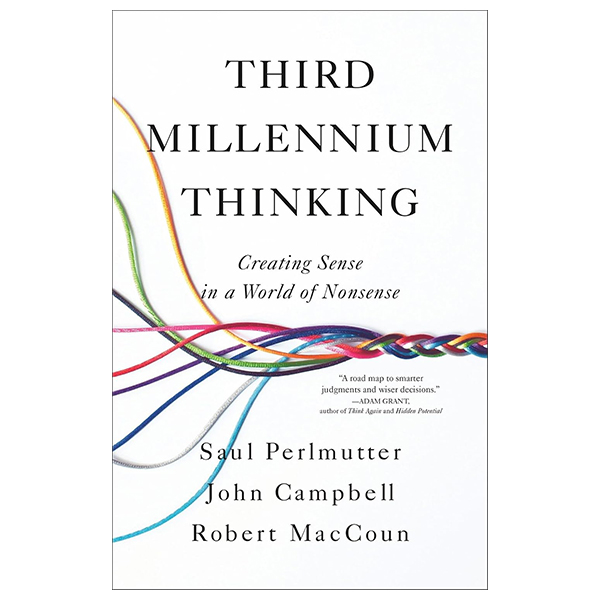
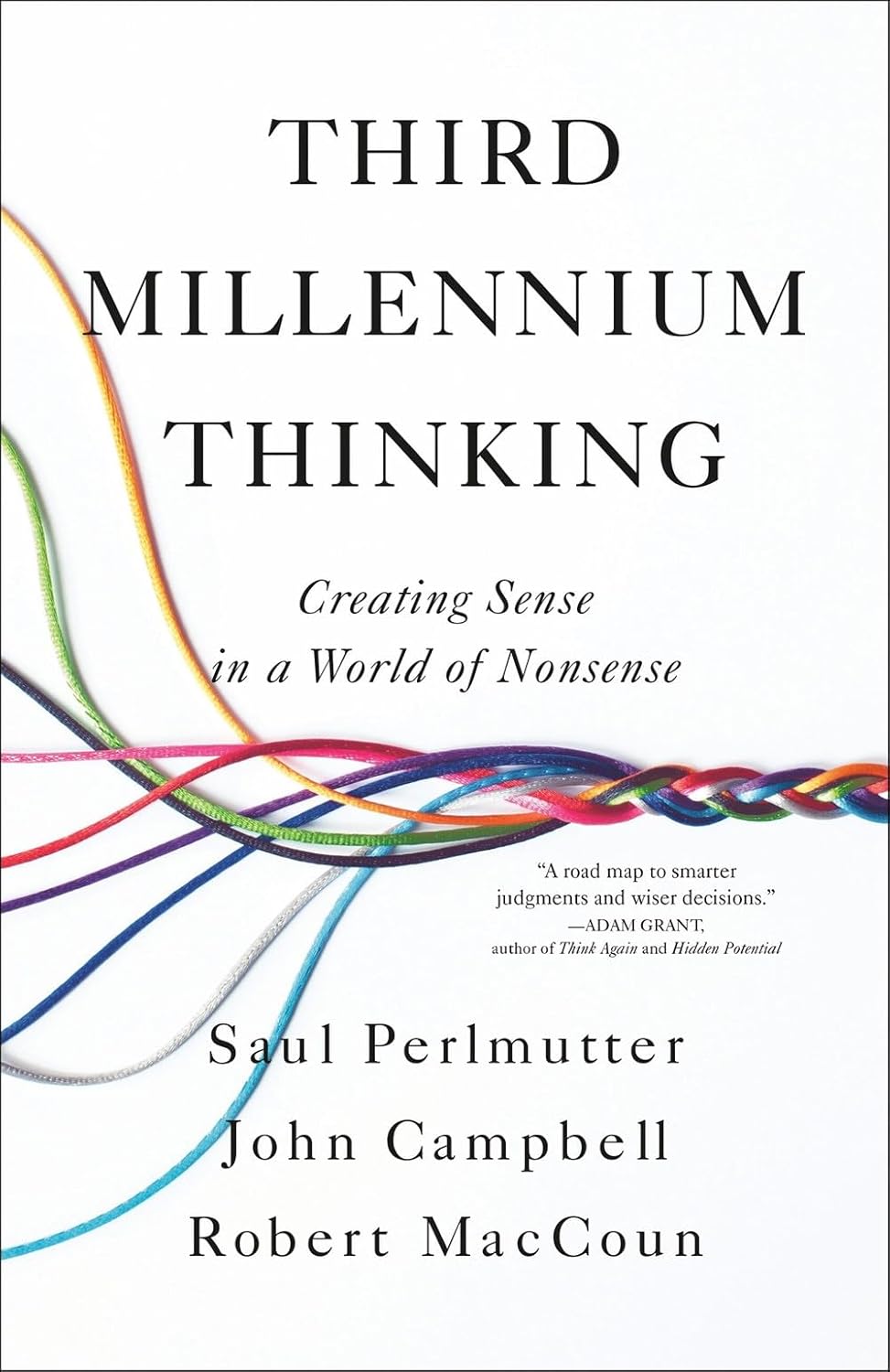
Third Millennium Thinking by esteemed authors Saul Perlmutter PhD, John Campbell PhD, and Robert MacCoun PhD, emerges as a groundbreaking guide designed for navigating the complexities of today’s information-saturated world. You may find it increasingly difficult to separate truth from misinformation, especially when making critical health decisions amid conflicting advice. As conversations around contentious issues like climate change grow more polarized, how do you engage meaningfully without losing sight of the facts?
This innovative work draws on insights from a wildly popular UC Berkeley course, offering you essential tools and frameworks that scientists have perfected to avoid self-deception and enhance decision-making. With accessible language and engaging illustrations, Third Millennium Thinking empowers you to attain a clear understanding of modern complexities, navigate through numerous options, and collaboratively tackle today’s pressing challenges. Discover how to turn chaos into clarity, and learn to make sense of the nonsense in a world overflowing with information.
Third Millennium Thinking, authored by Saul Perlmutter PhD, John Campbell PhD, and Robert MacCoun PhD, emerges from the acclaimed UC Berkeley course that explores how to leverage scientific methodologies to navigate the complexities of today’s information-rich world. In an era flooded with conflicting data and overwhelming choices, you may find it increasingly challenging to discern the essential from the irrelevant. This book provides you with the necessary tools to make informed health decisions amidst diverse medical opinions and advice. Have you ever questioned the validity of research findings in articles, or struggled during heated conversations about climate change with family members? Through engaging thought exercises and vivid storytelling, Third Millennium Thinking introduces you to frameworks that scientists utilize to avoid self-deception and make better choices. You will discover how to simplify the chaotic world around you, chart effective strategies for varied challenges, and collaborate with others to find solutions. This innovative guide equips you to transform confusion into clarity, empowering you to approach life’s dilemmas with confidence and understanding.
Download Third Millennium Thinking PDF
Download book Third Millennium Thinking PDF or read ebook, epub, listen to audio books online for free book Third Millennium Thinking PDF by author Saul Perlmutter PhD, John Campbell PhD, Robert MacCoun PhD published by publisher Little Brown.
| Tác giả: | Saul Perlmutter PhD, John Campbell PhD, Robert MacCoun PhD. |
| Nhà xuất bản: | Little Brown. |
| Năm xuất bản: | 2024. |
| Ngôn ngữ: | Tiếng Anh. |
| Trọng lượng: | 300gr. |
| Kích thước: | 23.2 x 15.2 x 2.1 cm. |
| Số trang: | 320 trang. |
| Hình thức: | Bìa Mềm. |
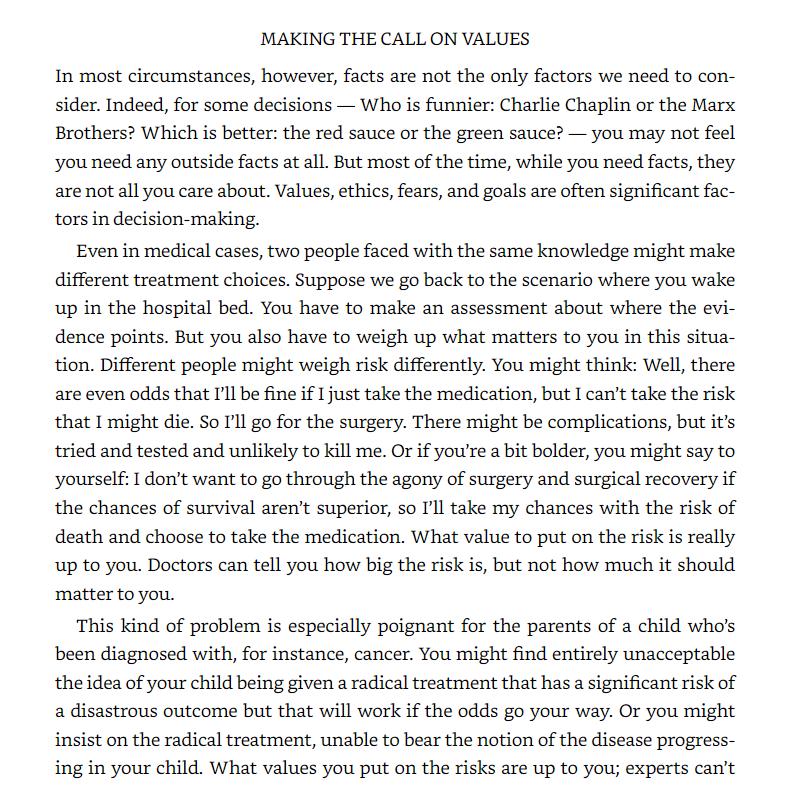
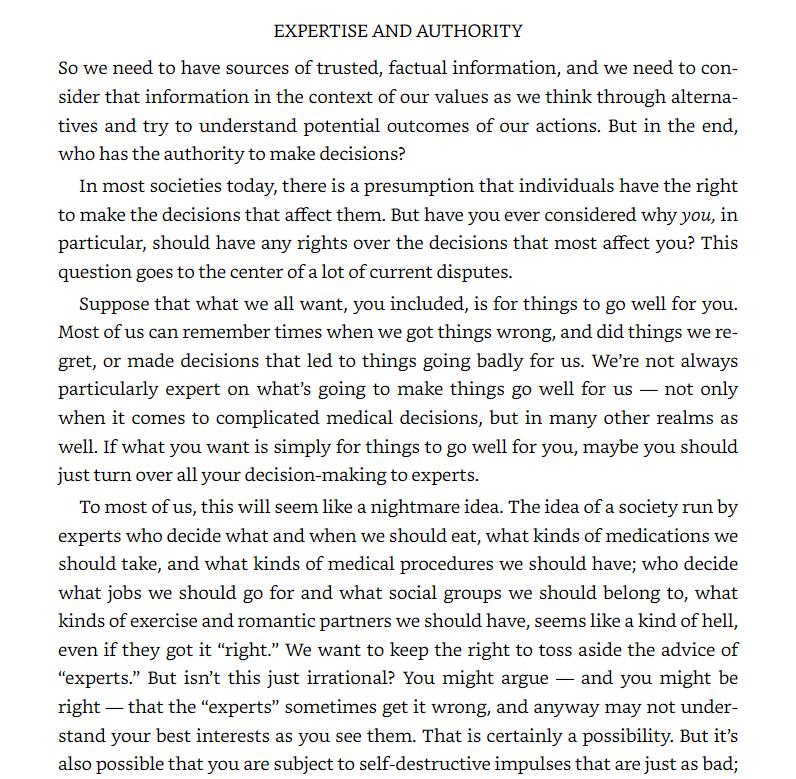
Read Third Millennium Thinking Ebook Online
Third Millennium Thinking
Based on a wildly popular UC Berkeley course, how to use scientists’ tricks of the trade to make the best decisions and solve the hardest problems in age of uncertainty and overwhelming information.
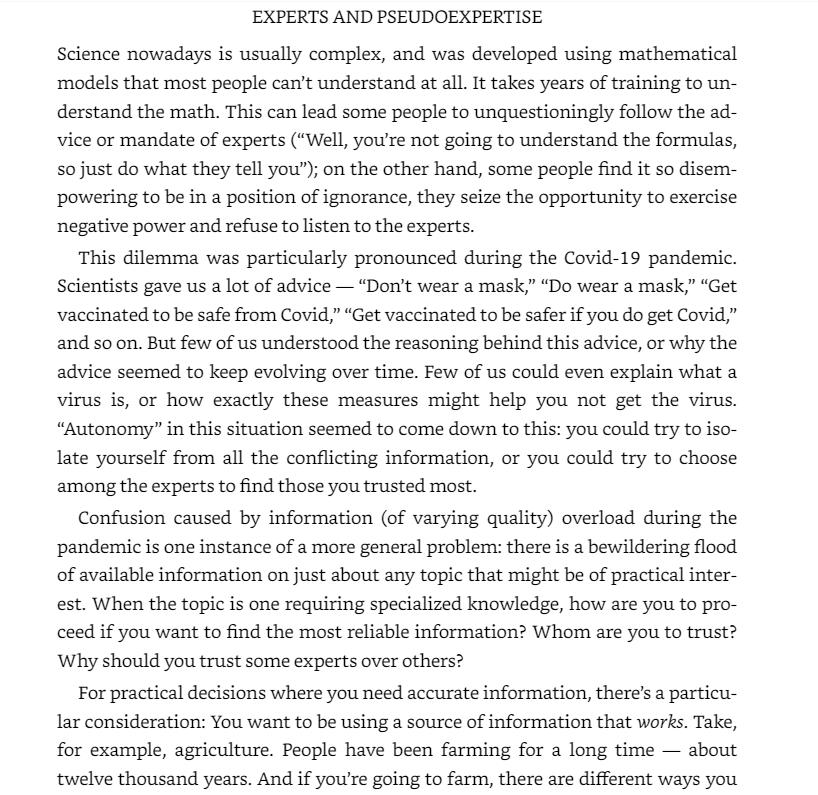
In our deluge of information, it’s getting harder and harder to distinguish the revelatory from the contradictory. How do we make health decisions in the face of conflicting medical advice? Does the research cited in that article even show what the authors claim? How can we navigate the next Thanksgiving discussion with our in-laws, who follow completely different experts on the topic of climate change?
In Third Millennium Thinking, a physicist, a psychologist, and a philosopher introduce readers to the tools and frameworks that scientists have developed to keep from fooling themselves, to understand the world, and to make decisions. We can all borrow these trust-building techniques to tackle problems both big and small.
Readers will learn:
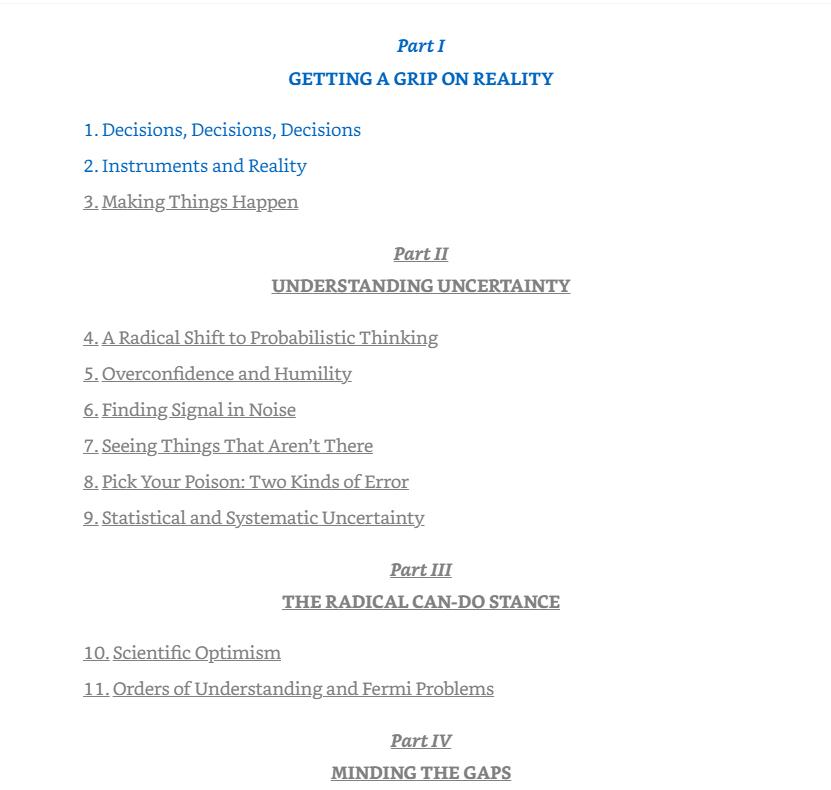
– How to achieve a ground-level understanding of the facts of the modern world
– How to chart a course through a profusion of possibilities
– How to work together to take on the challenges we face today
– And much more
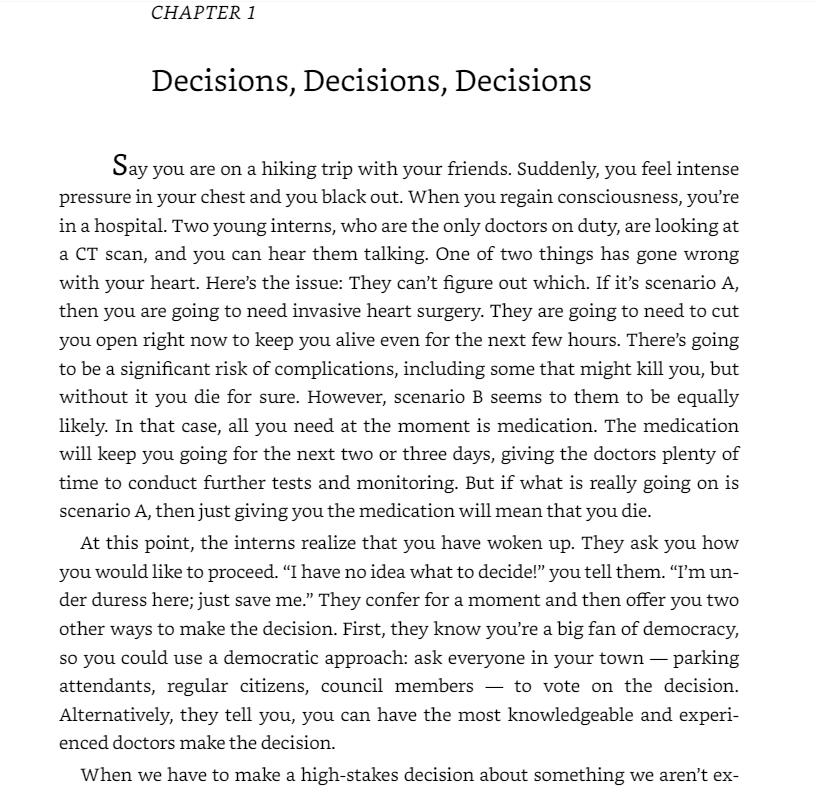
Using provocative thought exercises, jargon-free language, and vivid illustrations drawn from history, daily life, and scientists’ insider stories, Third Millennium Thinking offers a novel approach for readers to make sense of the nonsense.
Review Third Millennium Thinking
Third Millennium Thinking stands out as an invaluable guide for anyone feeling overwhelmed by the sheer volume of information in today’s world. In this enlightening book, authors Saul Perlmutter, John Campbell, and Robert MacCoun distill scientific insights into practical strategies for decision-making amidst uncertainty. Unlike other texts that simply regurgitate information, this work invites you to actively engage with essential questions that impact your everyday life—whether it’s navigating medical advice or discussing climate change at family gatherings. You will appreciate the jargon-free language and the innovative thought exercises that encourage critical thinking. The authors use their backgrounds in physics, psychology, and philosophy to present frameworks designed to help you avoid falling into the traps of cognitive bias and misinformation.
This is not just a book for academics; it’s a toolkit for anyone wishing to cultivate a deeper understanding of our complex world. You will find yourself equipped to decipher conflicting narratives and make informed choices. As you delve into the chapters, the vivid illustrations and real-life stories will resonate and enrich your learning experience. In essence, Third Millennium Thinking transforms the challenges of modern life into manageable problems, enabling you to work collaboratively with others to tackle pressing issues. This book is a must-read for those eager to adopt a mindset that values critical thinking and evidence-based reasoning. Dive into its pages, and discover how to transform chaos into clarity.
Third Millennium Thinking stands out as a vital resource for anyone grappling with today’s overwhelming tidal wave of information. You might feel like navigating this sea of conflicting data is impossible, with opinions on health, climate change, and other crucial topics often at odds. This book, crafted by a physicist, a psychologist, and a philosopher, offers you essential tools to unravel complexities. You will discover how to make sound decisions in challenging situations, just like experts do. Imagine being able to separate the dubious from the valuable with confidence, which is what Third Millennium Thinking empowers you to achieve.
In this enlightening read, you will engage with thought exercises and vivid illustrations that simplify complex ideas into actionable insights. The authors invite you to consider how to work collectively to address current challenges and global dilemmas. Rather than feeling overwhelmed by the information overload, you will learn to achieve a ground-level understanding of the facts that shape the modern world. You won’t just passively consume information; you will actively engage with it, enhancing your critical thinking skills.
In summary, Third Millennium Thinking is like a guiding light in the fog of uncertainty that clouds our decision-making processes. By leveraging scientists’ techniques, this book equips you with knowledge to navigate life’s *most significant challenges*. Whether you’re standing your ground during a debate or making informed health choices, this novel approach makes the uncertain seem navigable. Don’t miss the chance to transform your perspective and decision-making prowess with the insights housed within this compelling read.
Lessons from Third Millennium Thinking
Third Millennium Thinking presents a remarkable framework for decision-making in an age overwhelmed by misinformation. In your journey through this book, you might feel a sense of clarity emerging from the chaos of conflicting viewpoints. You may realize that navigating through complex issues, like healthcare or climate change discussions, requires more than just surface-level knowledge; it demands rigorous, analytical thinking as guided by the authors, Saul Perlmutter PhD, John Campbell PhD, and Robert MacCoun PhD.
Just like you have often faced moments where you’ve felt overwhelmed, the book illustrates ways to develop a ground-level understanding of facts, making you better equipped to deal with the modern world’s intricacies. It’s not just about knowing the right answers; it’s about questioning the information you receive and sharpening your critical thinking skills to discern what’s truly valuable. You learn to chart a course through a profusion of possibilities, enhancing your ability to tackle challenges collaboratively.
By applying the trust-building techniques discussed, you find that discussions—once fraught with conflict—can become opportunities for growth and understanding. Imagine engaging with your in-laws during Thanksgiving with a new perspective, turning a potential argument about climate change into a constructive dialogue that encourages deeper understanding. This is not just a skill for your personal life; the tools acquired from this book can be implementable across various aspects of your life, from personal relationships to professional decision-making.
Overall, the lessons within Third Millennium Thinking empower you to cut through the noise, helping you make informed decisions in a world of uncertainty. It transforms your approach to problems big and small, allowing you to harness an analytical mindset while remaining open to diverse viewpoints. In embracing this novel approach, you awaken a thoughtful engagement with the world, influencing those around you positively while becoming a more discerning individual in the process.
In reading Third Millennium Thinking, I found profound insights that transformed my perspective on decision-making and problem-solving. This book emphasizes the importance of scientific approaches in an age teeming with information overload. It resonated with my experiences of feeling overwhelmed by conflicting opinions and data. The authors, a physicist, a psychologist, and a philosopher, provide tangible tools that can help anyone — like you — to sift through the noise and understand the world more clearly. For instance, the suggestion to develop a ground-level understanding of facts shifted my approach to information, encouraging me to dig deeper before forming conclusions. It’s not just about what I read, but the credibility of sources that matters. The book illustrates how to chart a course through uncertain waters using frameworks that foster trust and collaboration, which I have begun applying in both personal and professional settings. I especially appreciated the thought exercises that challenge conventional beliefs and inspire creative thinking. It reminded me that it’s essential to be curious and not take information at face value. There were several moments where I could relate to the challenges discussed, especially concerning family discussions around divisive topics like climate change. This book has equipped me with strategies to engage constructively rather than defensively. Ultimately, Third Millennium Thinking has taught me that navigating our complex world requires a blend of skepticism and open-mindedness, along with a commitment to continuous learning. This embrace of scientific thinking can empower you to make informed decisions and contribute positively to dialogues in your community.