Knowing What We Know by the acclaimed author Simon Winchester embarks on a compelling exploration of how we acquire and disseminate knowledge in an age dominated by technology. From the dawn of the first encyclopedia to the limitless realms of Wikipedia and beyond, this book investigates the evolution of human cognition and learning. You might find yourself questioning, with the vast information available at your fingertips, what role does your brain play in the process of knowing? This inquiry leads to a critical examination of our modern landscape, where we often neglect essential skills like mathematical reasoning and map-reading. As you delve deeper into the text, Winchester invites you to reflect: Are we, in essence, jeopardizing our capacity for thoughtful engagement and genuine understanding? Through a meticulous analysis of various knowledge-sharing avenues—from ancient Babylonian scripts to contemporary artificial intelligence—this book urges you to consider the implications of a world increasingly devoid of wisdom. What becomes of humanity’s essence if we abandon the very act of thinking? Engage with Knowing What We Know and embark on a journey that challenges your perception of knowledge and its true value in a rapidly changing world.
Knowing What We Know by Simon Winchester offers a captivating exploration of the evolution of human knowledge. As you delve into this book, you will uncover how we acquire, retain, and share information, reflecting on the impact of technology on our cognitive processes. With today’s smartphones, information is only a tap away, but this convenience raises critical questions about your ability to think deeply and meaningfully. Are you at risk of becoming less thoughtful in a world where memorization and critical skills seem outdated?
Winchester takes you on a historical journey, from the cuneiform writings of Babylon to the era of artificial intelligence, all while highlighting the remarkable strides made in education and information dissemination. Each chapter is filled with intriguing details that will compel you to reconsider what it means to be knowledgeable in the modern age. Is pure information valuable if it lacks the context of wisdom?
As you ponder the relevance of Rene Descartes’ famous axiom, “I think therefore I am,” you will be challenged to think about the future of humanity if wisdom becomes a rarity. Prepare for a thought-provoking journey in Knowing What We Know.
Download Knowing What We Know PDF
Download book Knowing What We Know PDF or read ebook, epub, listen to audio books online for free book Knowing What We Know PDF by author Simon Winchester published by publisher Harper Perennial.
| Tác giả: | Simon Winchester. |
| Nhà xuất bản: | Harper Perennial. |
| Năm xuất bản: | 2024. |
| Ngôn ngữ: | Tiếng Anh. |
| Trọng lượng: | 320gr. |
| Kích thước: | 20.3 x 13.5 x 2.5 cm. |
| Số trang: | 432 trang. |
| Hình thức: | Bìa Mềm. |


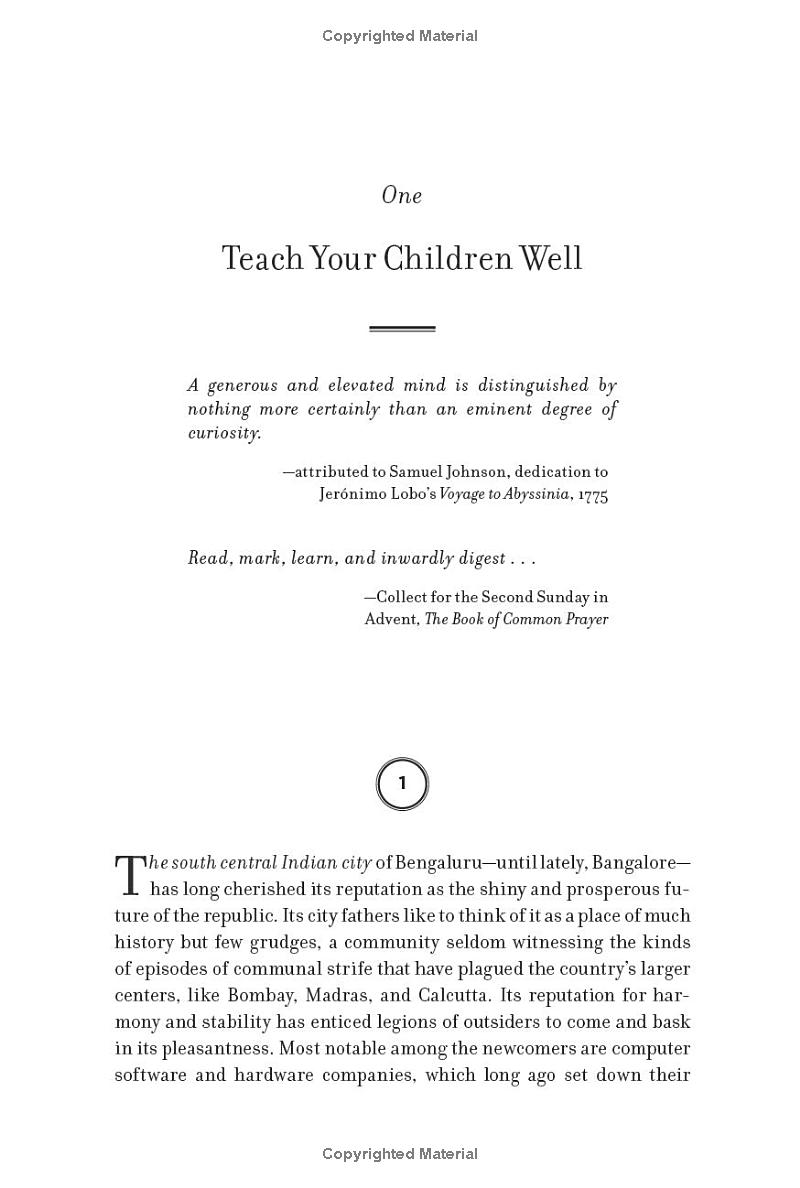
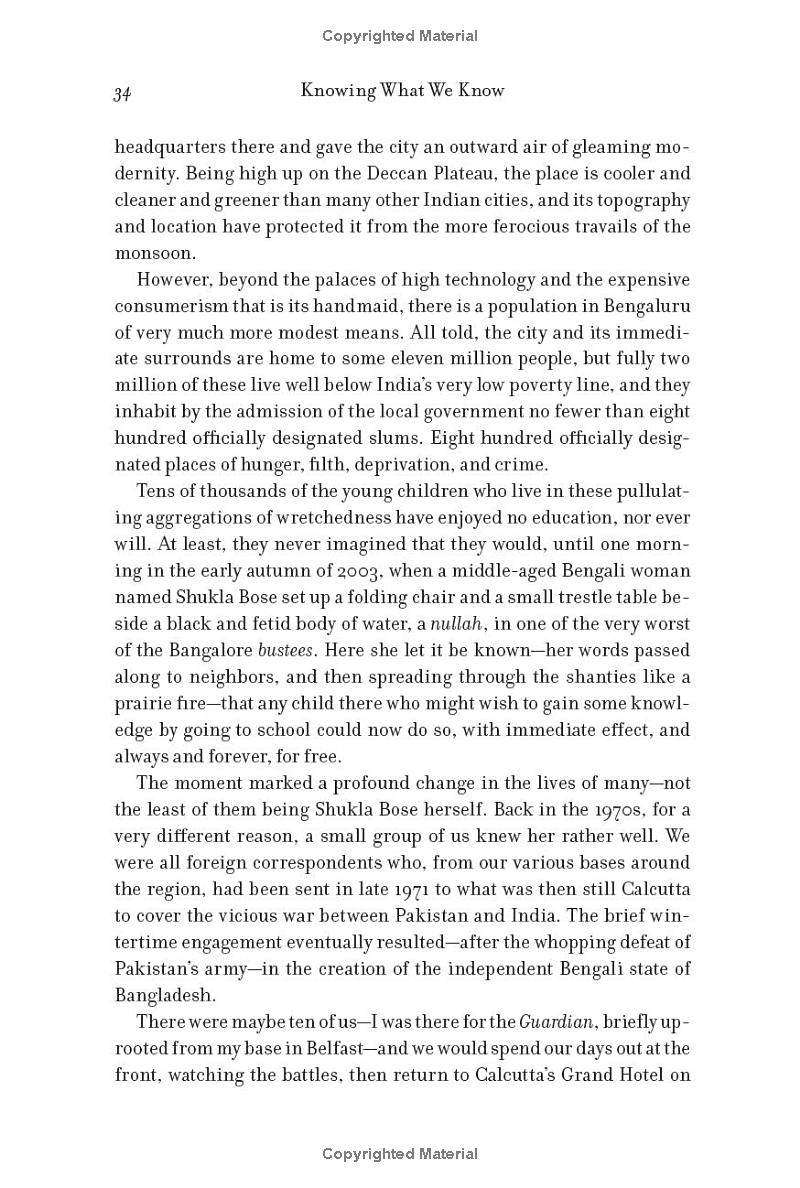
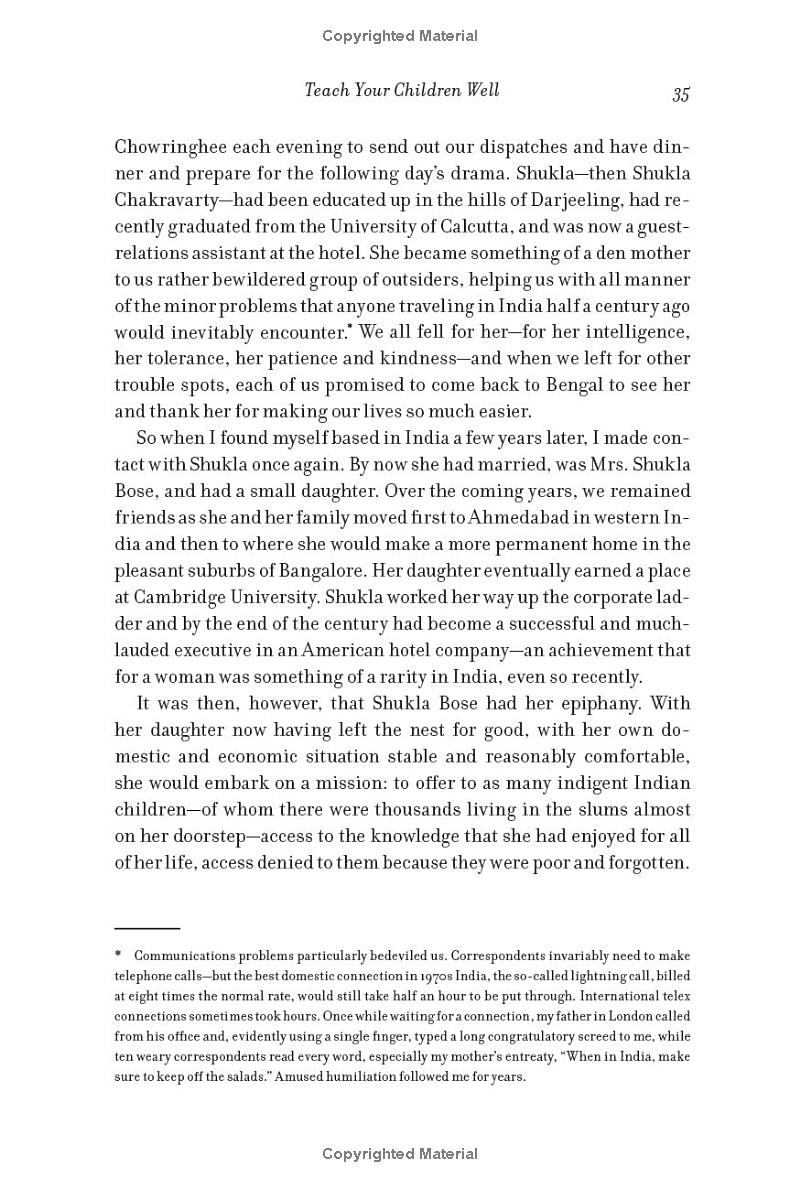
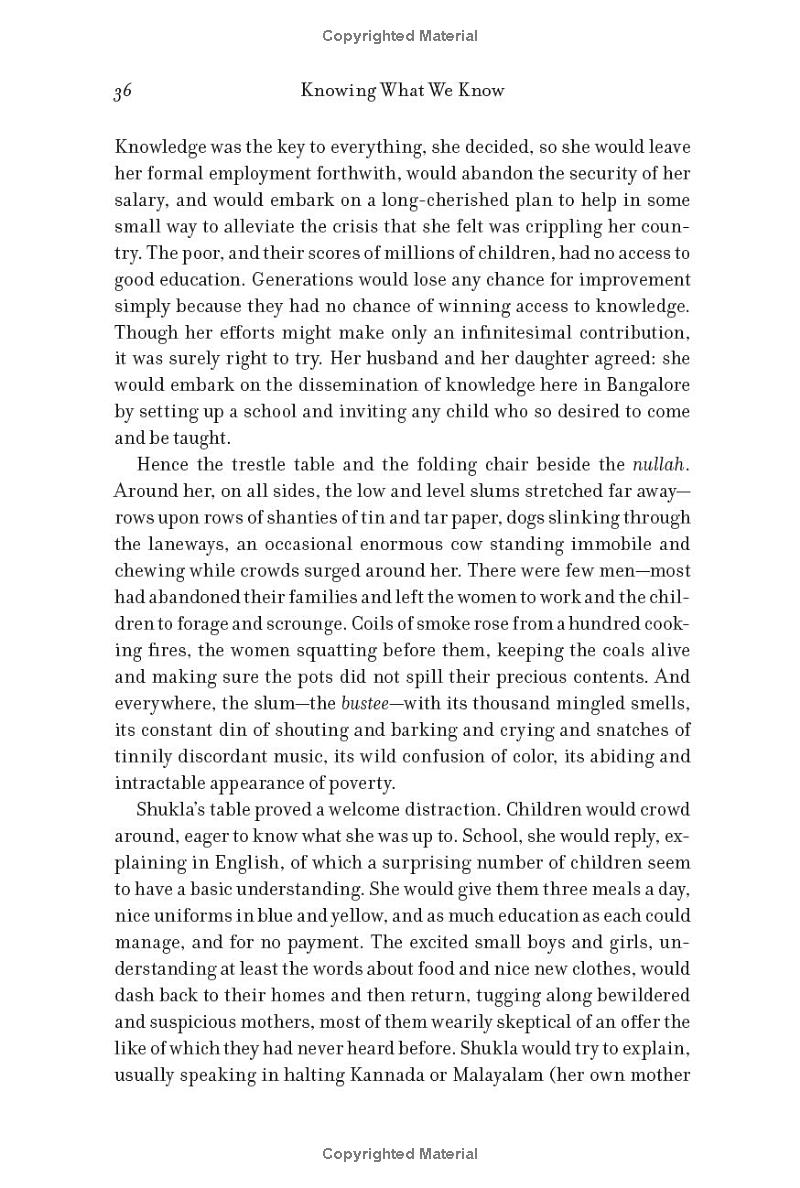
Read Knowing What We Know Ebook Online
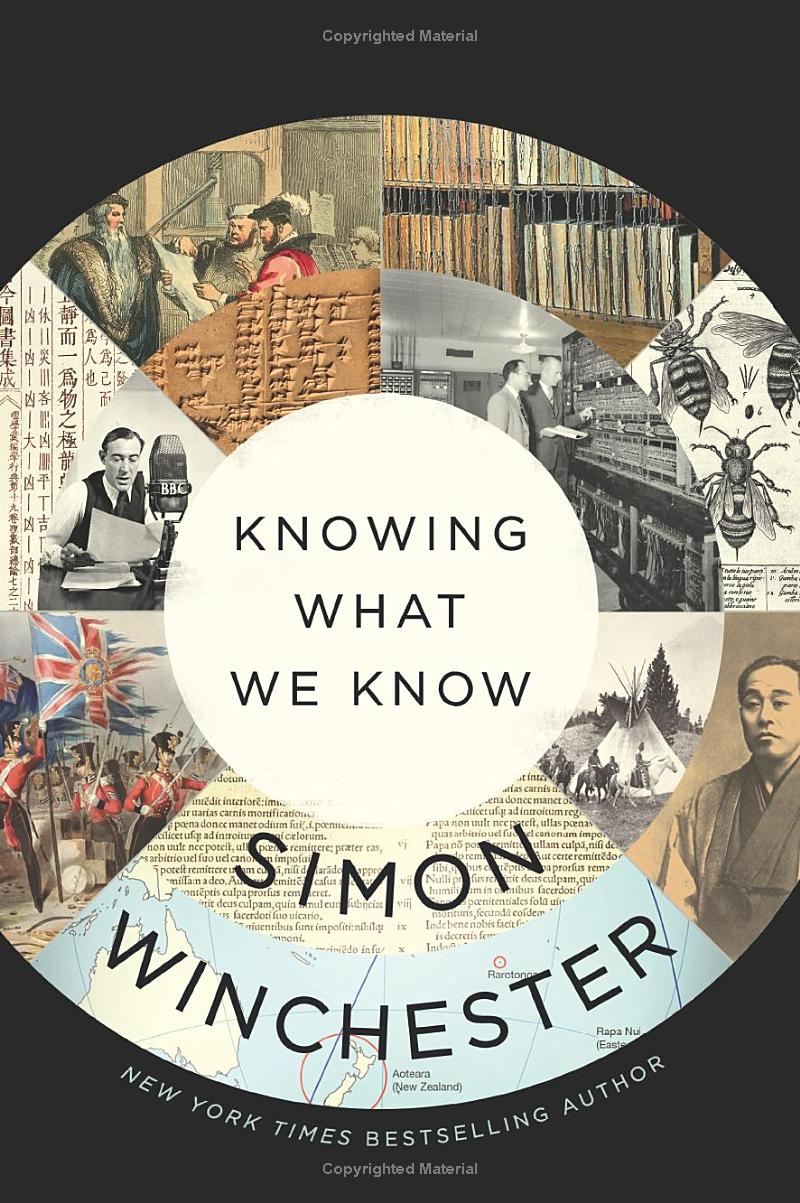
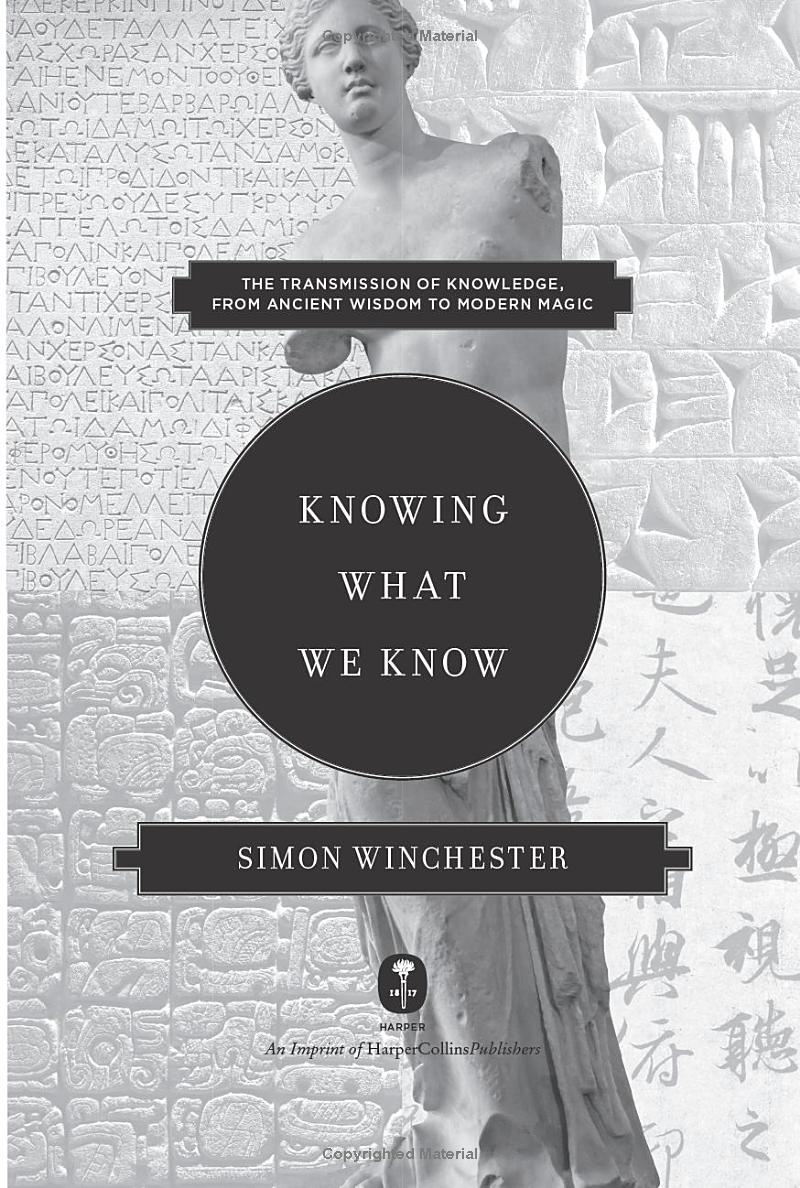
Knowing What We Know
From the creation of the first encyclopedia to Wikipedia, from ancient museums to modern kindergarten classes—this is award winning writer Simon Winchester’s brilliant and all-encompassing look at how humans acquire, retain, and pass on information and data, and how technology continues to change our lives and our minds.
With the advent of the internet, any topic we want to know about is instantly available with the touch of a smartphone button. With so much knowledge at our fingertips, what is there left for our brains to do? At a time when we seem to be stripping all value from the idea of knowing things—no need for math, no need for map-reading, no need for memorization—are we risking our ability to think? As we empty our minds, will we one day be incapable of thoughtfulness?
Addressing these questions, Simon Winchester explores how humans have attained, stored, and disseminated knowledge. Examining such disciplines as education, journalism, encyclopedia creation, museum curation, photography, and broadcasting, he looks at a whole range of knowledge diffusion—from the cuneiform writings of Babylon to the machine-made genius of artificial intelligence, by way of Gutenberg, Google, and Wikipedia to the huge Victorian assemblage of the Mundanaeum, the collection of everything ever known, currently stored in a damp basement in northern Belgium.
Studded with strange and fascinating details, Knowing What We Know is a deep dive into learning and the human mind. Throughout this fascinating tour, Winchester forces us to ponder what rational humans are becoming. What good is all this knowledge if it leads to lack of thought? What is information without wisdom? Does Rene Descartes’s Cogito, ergo sum—“I think therefore I am,” the foundation for human knowledge widely accepted since the Enlightenment—still hold?
And what will the world be like if no one in it is wise?
Review Knowing What We Know
In “Knowing What We Know,” Simon Winchester presents an insightful analysis that resonates with anyone curious about the evolving nature of knowledge and information in our lives. You may find that this book captures the transition from ancient methods of knowledge transfer to today’s digital age, leaving you pondering the implications for our intellectual capacities. Like a well-crafted tapestry, Winchester weaves together stories that explore the intricate relationship between technology and thoughtfulness. You might reflect on questions such as, “Are we losing our ability to think critically in this age of instant access?” The author’s examination spans a broad range of disciplines, not only making the content rich but also engaging, ensuring that readers from various backgrounds can find value in his work. Unlike many works that merely list facts, this book compels you to consider how the approach to learning impacts our very essence as humans. By diving into the historical, cultural, and technological fabric of knowledge acquisition, Winchester makes a nuanced argument about the separation of information and wisdom. This work isn’t just for the academically inclined; it speaks to the philosophical concerns we all share regarding the future of human thought. Neutral reflections lead you to conclude that while technology offers unprecedented access to information, the real challenge lies in cultivating wisdom from that information. In a world where knowledge can be so easily obtained, “Knowing What We Know” serves as a critical reminder of the importance of maintaining the depth of our thoughts and the quality of our understanding.
Knowing What We Know by Simon Winchester offers readers a profound exploration of the human experience with knowledge. In a world inundated with information, this book delves into how we acquire, retain, and pass on insights throughout history and into our digital age. You might find yourself questioning the implications of having knowledge so easily accessible, and what this means for your ability to think critically and reflectively. What is truly valuable in an age where memory may seem redundant? Winchester navigates through various disciplines, revealing the intricate relationship between knowledge and wisdom. Like the journey through the archives of human thought, from ancient texts to modern communication, you will appreciate the nuances of knowledge diffusion. It isn’t just about facts; it’s about context, understanding, and the human condition. Not only does Winchester pose essential questions—leading to a reflection on Descartes’s proclamation of existence tied to thought—but he also challenges you to consider the future landscape of our intellectual capabilities. If we strip away the essence of knowing, we risk losing our ability to discern and gain insights. The narrative is not just engaging; it is a clarion call for mindfulness in how we interact with our digital surroundings. In summary, this book is a necessary read for anyone eager to understand the ongoing transformation of knowledge in the face of technological advancements, making it clear that preserving our capacity for thought is as crucial as ever.
Lessons from Knowing What We Know
Reflecting on “Knowing What We Know” by Simon Winchester, you gain profound insights into the evolution of knowledge and its implications in the modern world. With the vast resources available at your fingertips thanks to the internet, it becomes tempting to rely solely on quick answers instead of deeply engaging with the information. This book challenges you to consider the consequences of this shift, prompting you to question: Are you losing the ability to think critically? Like the fascinating details woven throughout the narrative, there is a beauty in exploring the wisdom behind the knowledge rather than just accumulating facts. You learn that retaining knowledge requires a balance between access to information and the exercise of your cognitive skills. The nuances between information and wisdom stand out; having facts does not equate to understanding. Not like in previous eras, where knowledge was treasured, today it risks becoming overlooked. You ask yourself, what will the future hold if society continues to underestimate critical thinking? “Cogito, ergo sum” resonates deeply here; your ability to think is the essence of your existence. Knowledge without thought is like a book devoid of meaning; it merely lies there, untouched. This journey through Winchester’s work highlights the importance of nurturing your ability to think deeply, blending information with insight. Ultimately, the life lesson learned is invaluable: as you navigate through the digital age, strive to embrace knowledge with intention and purpose, ensuring that wisdom accompanies the mere acquisition of data. You are reminded that true understanding comes from thoughtful contemplation and not just passive consumption of information. In the end, it’s not just about knowing what you know, but also about how you apply that knowledge to enrich your life and the lives of others around you.
In examining Knowing What We Know by Simon Winchester, you find yourself reflecting on the evolution of knowledge itself. With technology at your fingertips, you face the dual-edged sword of instant access to information and the risk of diminishing your own critical thinking abilities. Much like how the creation of the first encyclopedia paved the way for modern knowledge sharing, each technological advancement brings both promise and peril. You realize that while learning has become easier, there may be fewer opportunities for deep, meaningful understanding. This pushes you to ask yourself, “What is the value of knowledge without the capacity for *thoughtfulness*?” You see that just as you can Google almost anything, *retaining knowledge* becomes equally important, filling your mind with insights rather than trivia. Winchester’s exploration compels you to consider not just the volumes of data available but the necessity of condensing that information into wisdom. As you ponder the impact of societies increasingly reliant on technology, you are reminded of the profound implications that Rene Descartes’ assertion holds in your daily life. It’s a gentle nudge that knowing is not merely memorizing facts but understanding the context behind them. This realization encourages you to carve out time for reflection, ensuring that the knowledge you gather fosters growth instead of complacency. Ultimately, Winchester’s narrative challenges you to strive for a balance between information and wisdom, helping you to become not just a repository of facts but a thoughtful, engaged individual, capable of meaningful discourse. You ask yourself how you can cultivate wisdom in a world that often celebrates surface-level information. Therefore, the life lesson emerges: In a rapidly changing landscape of knowledge, commit to lifelong learning but prioritize the wisdom needed to use that knowledge effectively. Only then can you avoid the pitfalls of a shallow existence in a world overflowing with information.