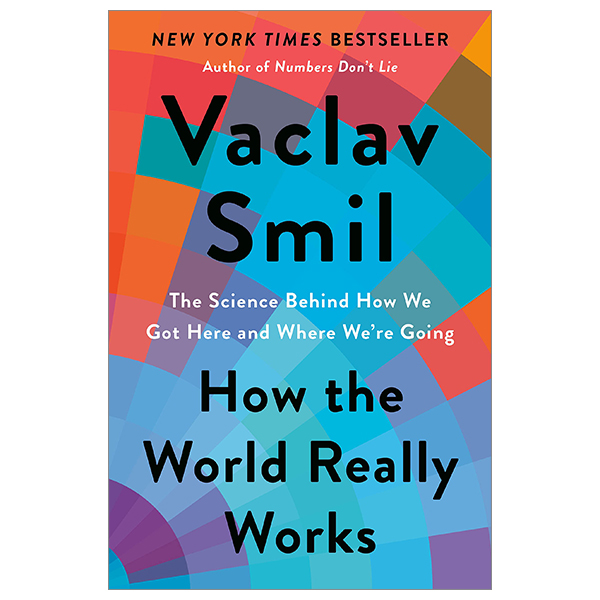
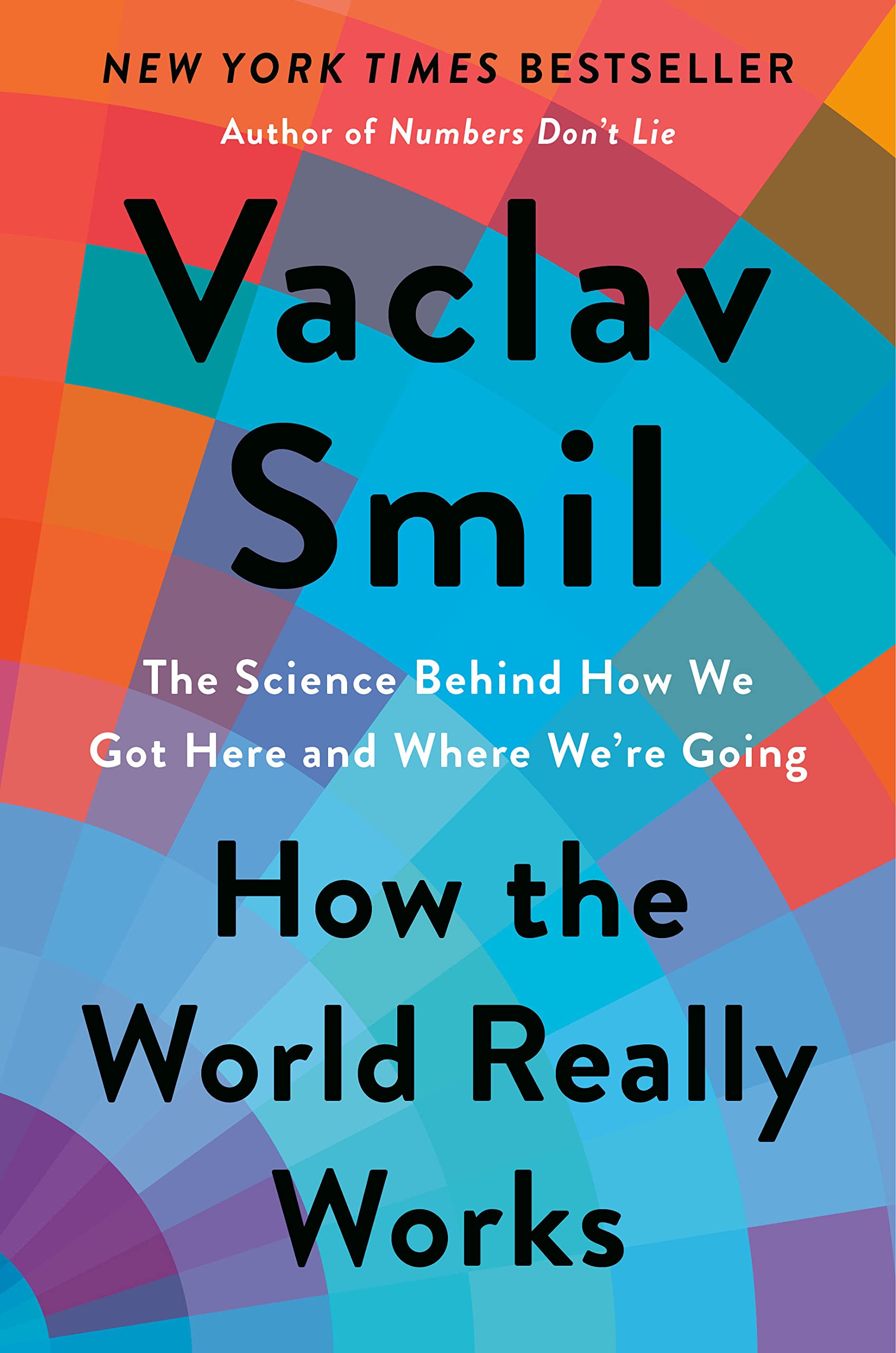
Discover the pivotal insights of How The World Really Works: The Science Behind How We Got Here And Where We’re Going by Vaclav Smil. This essential analysis provides a clear understanding of the modern science and technology shaping our lives in the twenty-first century. As you delve into this compelling read, you will grasp the seven fundamental realities that determine our survival and prosperity. You might feel overwhelmed by the sheer volume of information available today, yet Smil’s work illuminates the intricate mechanisms of our world, offering a much-needed reality check.
By addressing topics such as energy production, globalization, and our environmental risks, this book exposes the fallacies of blind optimism regarding future sustainability. Smil challenges you to rethink your perspective on issues like fossil fuel dependence and the globalization of industries. His quantitative lens uncovers hidden truths, urging you to confront uncomfortable facts while navigating the complexities of our past and present. Whether you seek to find hope or face reality, this book promises to equip you with the knowledge needed to tackle some of the world’s toughest challenges.
How The World Really Works: The Science Behind How We Got Here And Where We’re Going by Vaclav Smil is an essential read for anyone looking to unravel the complexities of our modern existence. You may feel inundated by information, yet find yourself perplexed by how the world truly operates. This book not only clarifies crucial aspects but also lays bare the underlying realities that influence our survival and prosperity. You will discover that pivotal concepts such as energy production and globalization aren’t just abstract ideas—they directly impact your everyday life.
At a time when challenges seem insurmountable, Smil’s examination will challenge your perceptions. It compels you to question accepted norms while evaluating the facts behind contemporary issues. You might agree or disagree with his insights, but ignoring them would be a disservice to your understanding. This thought-provoking narrative is a necessary tool in your quest for knowledge about our world, as it navigates the fine line between optimism and realism. With a rich tapestry of data and analysis, How The World Really Works redefines how you view the past, present, and future.
Download How The World Really Works: The Science Behind How We Got Here And Where We’re Going PDF
Download book How The World Really Works: The Science Behind How We Got Here And Where We’re Going PDF or read ebook, epub, listen to audio books online for free book How The World Really Works: The Science Behind How We Got Here And Where We’re Going PDF by author Vaclav Smil published by publisher Viking.
| Tác giả: | Vaclav Smil. |
| Nhà xuất bản: | Viking. |
| Năm xuất bản: | 2022. |
| Ngôn ngữ: | Tiếng Anh. |
| Trọng lượng: | 522gr. |
| Kích thước: | 23.6 x 15.8 x 2.9 cm. |
| Số trang: | 336 trang. |
| Hình thức: | Bìa Cứng. |



Read How The World Really Works: The Science Behind How We Got Here And Where We’re Going Ebook Online
How The World Really Works: The Science Behind How We Got Here And Where We’re Going
INSTANT NEW YORK TIMES BESTSELLER
“A new masterpiece from one of my favorite authors… [How The World Really Works] is a compelling and highly readable book that leaves readers with the fundamental grounding needed to help solve the world’s toughest challenges.”—Bill Gates
“Provocative but perceptive . . . You can agree or disagree with Smil—accept or doubt his ‘just the facts’ posture—but you probably shouldn’t ignore him.”—The Washington Post
An essential analysis of the modern science and technology that makes our twenty-first century lives possible—a scientist’s investigation into what science really does, and does not, accomplish.
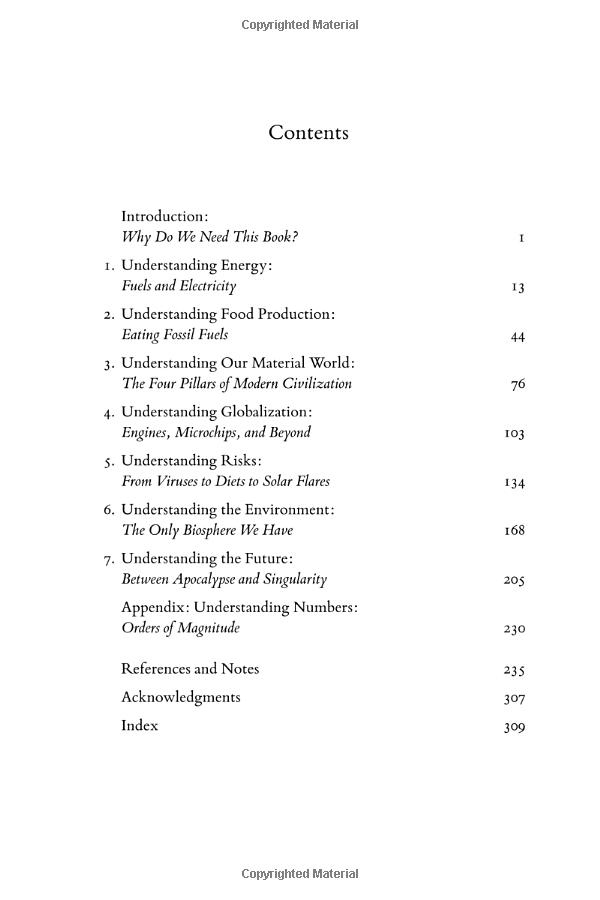
We have never had so much information at our fingertips and yet most of us don’t know how the world really works. This book explains seven of the most fundamental realities governing our survival and prosperity. From energy and food production, through our material world and its globalization, to risks, our environment and its future, How the World Really Works offers a much-needed reality check—because before we can tackle problems effectively, we must understand the facts.
In this ambitious and thought-provoking book we see, for example, that globalization isn’t inevitable—the foolishness of allowing 70 per cent of the world’s rubber gloves to be made in just one factory became glaringly obvious in 2020—and that our societies have been steadily increasing their dependence on fossil fuels, such that any promises of decarbonization by 2050 are a fairy tale. For example, each greenhouse-grown supermarket-bought tomato has the equivalent of five tablespoons of diesel embedded in its production, and we have no way of producing steel, cement or plastics at required scales without huge carbon emissions.
Ultimately, Smil answers the most profound question of our age: are we irrevocably doomed or is a brighter utopia ahead? Compelling, data-rich and revisionist, this wonderfully broad, interdisciplinary guide finds faults with both extremes. Looking at the world through this quantitative lens reveals hidden truths that change the way we see our past, present and uncertain future.
Review How The World Really Works: The Science Behind How We Got Here And Where We’re Going
How The World Really Works: The Science Behind How We Got Here And Where We’re Going by Vaclav Smil is a powerful analysis that unfolds the complexities of our modern existence. In a world overflowing with information, it’s easy to feel overwhelmed and lost, but Smil expertly distills vital knowledge that you absolutely need to grasp. This book not only highlights fundamental realities governing survival and prosperity but also challenges you to rethink what you believe. You might find yourself agreeing with Smil’s data-rich and fact-based arguments, or you could be prompted to critically assess them. Either way, you cannot ignore the compelling truths he presents.
Imagine understanding the interconnectedness of energy, food production, and environmental challenges in a way that leaves you informed and ready to act. Smil’s insights reveal the stark reality of globalization and the complexities of decarbonization, making clear that the path ahead is fraught with obstacles. You’ll find that the challenges posed by reliance on fossil fuels are more imminent than any promises of a green future. Yet, amidst this reality, Smil doesn’t present a purely pessimistic outlook; he unveils a complexity that offers both caution and hope. Engaging with this book will challenge your perceptions and ignite a desire to tackle some of the world’s most pressing issues. You may walk away not just with knowledge but with a renewed sense of responsibility for the future of our planet. How The World Really Works is not just a read; it’s an essential tool for navigating the course ahead.
How The World Really Works: The Science Behind How We Got Here And Where We’re Going by Vaclav Smil is a vital read for anyone seeking to understand the complexities of our modern existence. In a world overflowing with information, this book offers essential insights into the fundamental realities that define our survival and prosperity. You will appreciate how Smil dissects topics like energy, food production, and environmental issues with a blend of data and critical analysis. Unlike many authors who present superficial solutions, Smil invites you to engage with the intricate truths of globalization and our dependency on fossil fuels. You will discover just how precarious our reliance on single-source factories became evident during the pandemic and how misguided the promises of decarbonization really are. With a keen sense of urgency, the author emphasizes the necessity of understanding facts before we can tackle critical global challenges effectively. This engaging work compels you to consider whether we are heading toward a brighter future or an inescapable doom. Smil’s interdisciplinary exploration not only challenges conventional wisdom but also equips you with a realistic perspective of our past and present, thereby illuminating the uncertain paths ahead. By presenting the world through a quantitative lens, the book assists you in uncovering hidden truths that shape our reality. If you’re eager to grasp how the intricate facets of science and technology interweave to form our current society, you should not miss the opportunity to delve into this eye-opening analysis. It’s not just a reading experience; it’s an awakening to the truths about how the world really works.
Lessons from How The World Really Works: The Science Behind How We Got Here And Where We’re Going
The insights from “How The World Really Works: The Science Behind How We Got Here And Where We’re Going” by Vaclav Smil profoundly reshaped my understanding of our modern existence. It’s striking how, despite the wealth of information available today, most people remain uninformed about fundamental realities that govern our survival. This book offers a reality check that resonates deeply with the current state of our world. You might, like me, feel that the illusion of progress can be deceptive; it emphasizes that globalization isn’t an inevitable path. The pandemic highlighted this notion, reminding us that reliance on concentrated production can lead to vulnerabilities, such as the over-dependence on a single factory for vital supplies like rubber gloves.
The stark realities of energy consumption and food production also shed light on how intertwined our comforts are with fossil fuels. For instance, examining how a simple supermarket tomato requires significant diesel emissions prompts you to reconsider the sustainability of your choices. It focuses your attention on the consequences of modern conveniences and urges you to adopt a more responsible approach toward consumption.
Moreover, Smil’s exploration of future scenarios encourages critical thinking about climate change and societal progress. It’s not about succumbing to pessimism or chasing unrealistic ideals; rather, it advocates for a balanced understanding of where we stand now. You should remember that hope exists when we grasp the truths of our current state—knowledge is empowering.
In summary, this compelling exploration takes you beyond the surface-level conveniences of life into the depths of how we’ve arrived here and what lies ahead. The lessons remind us to challenge accepted narratives and question unsustainable practices in our daily lives. As you navigate through these complexities, let the revelations from Smil’s work stir a sense of responsibility and action. Ultimately, you must decide whether to remain passive in the face of daunting realities or to actively engage in shaping a sustainable future. This book beautifully encapsulates the need for awareness and action in these uncertain times.
How The World Really Works: The Science Behind How We Got Here And Where We’re Going by Vaclav Smil has profoundly reshaped your understanding of the intricate systems that govern human existence. You might find it striking that despite the vast amounts of data at our disposal, there’s a pervasive misunderstanding of how essential processes actually function. Smil’s insights provoke curiosity about fundamental realities, prompting you to reflect on your daily choices regarding energy, food, and the environment. Like realizing that the fruits of your labor are deeply entwined with processes that often go unnoticed, you start recognizing the hidden complexities of modern life.
As you delve deeper into Smil’s analysis, you begin to appreciate the fragility of globalization and the dependency on fossil fuels that undergirds everyday conveniences. Notably, the example of greenhouse-grown supermarket tomatoes with their diesel footprint pushes you to consider the environmental cost of convenience. This knowledge may feel overwhelming, leading you to question the sustainability of the current paths society treads on. But the more you engage with these concepts, the clearer it becomes that understanding these facts is necessary to tackle complex global challenges. You might agree with Smil’s assertion that a mere promise of decarbonization by 2050 is wishful thinking without significant changes in consumption patterns and technological innovations.
In juxtaposing extremes, Smil also instills hope, inviting you to rethink what a brighter future could look like. By revealing the lesser-known truths, you gain a more nuanced perspective of history and humanity’s potential trajectory. Like a roadmap for informed decision-making, the book encourages you to pursue knowledge as a tool for empowerment. The life’s lesson here is to advocate for sustainable practices, both individually and collectively, while being aware of the real mechanisms at play. Ultimately, understanding how the world works not only helps you question the status quo but also inspires action that can shape a path towards a possible utopia.