Freakonomics, authored by Steven D. Levitt and Stephen J. Dubner, brings a fresh, analytical approach to understanding human behavior in unexpected ways. This compelling paperback edition combines the original bestselling content with insightful columns from the New York Times Magazine and a thought-provoking Q&A with the authors. You’ll discover how economics intertwines with everyday life, revealing surprising truths about incentives, crime rates, education, and more. You might like how the authors challenge conventional wisdom, urging you to think critically about the world around you. With each chapter, the narrative becomes increasingly engaging, making complex ideas accessible and relatable. The perfect blend of storytelling and economics, Freakonomics invites you to unravel the mysteries of why people behave the way they do. Whether you’re curious about social issues or looking for a thoughtful read, this book offers a unique lens through which to view society. Don’t miss out on the chance to explore these intriguing concepts that could change your perspective on the world.
Download Freakonomics PDF
Download book Freakonomics PDF or read ebook, epub, listen to audio books online for free book Freakonomics PDF by author Steven D. Levitt, Stephen J. Dubner published by publisher Harper.
| Tác giả: | Steven D. Levitt, Stephen J. Dubner. |
| Nhà xuất bản: | Harper. |
| Năm xuất bản: | 2009/09/01. |
| Trọng lượng: | 250gr. |
| Kích thước: | 17.1 x 2.1 x 10.6. |
| Số trang: | 336 trang. |


Read Freakonomics Ebook Online
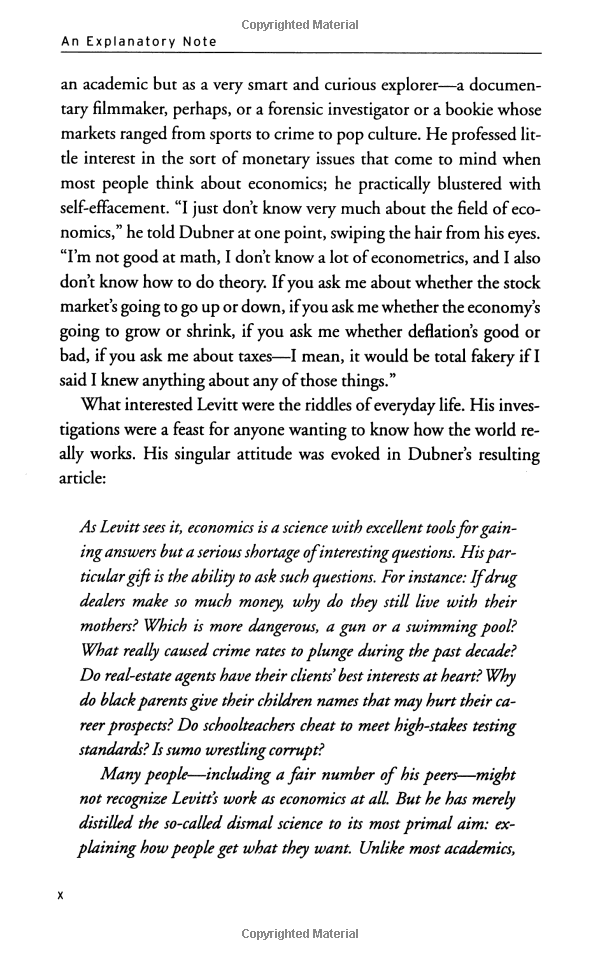
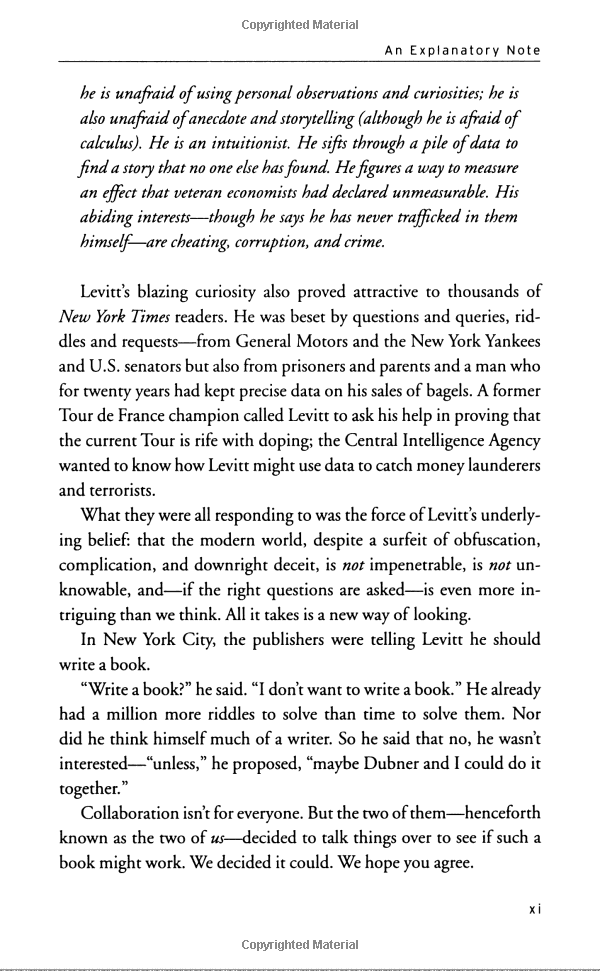
Steven D. Levitt and Stephen J. Dubner offer the long-awaited paperback edition of Freakonomics, the runaway bestseller, including six Freakonomics columns from the New York Times Magazine and a Q & A with the authors.
Review Freakonomics
Freakonomics, authored by Steven D. Levitt and Stephen J. Dubner, emerges as a captivating exploration of the hidden side of everything. You might find yourself intrigued by the compelling notions presented in this book, which cleverly merges economics with everyday life. Unlike typical economic treatises, it delves into unexpected relationships, challenging conventional wisdom. Each chapter unravels unique connections between seemingly unrelated topics, prompting you to question familiar assumptions. You may appreciate how Levitt and Dubner employ engaging anecdotes, showcasing intriguing phenomena from crime rates to infant health, illustrating the profound impact of incentives on human behavior.
This paperback edition enriches the original by incorporating six insightful Freakonomics columns from the New York Times Magazine and an engaging Q&A with the authors. It’s a delightful supplement that enhances your reading experience and deepens your understanding of the concepts discussed. If you’re seeking an intellectually stimulating yet accessible read, this book meets your expectations. You will likely find yourself reflecting on societal patterns and individual choices in ways you hadn’t considered before. In essence, Freakonomics revolutionizes how you perceive economic principles, inviting you to explore them through a lens of curiosity and critical thinking. Although some may argue about the controversies surrounding its conclusions, the undeniable fascination and intellectual stimulation it provides are invaluable. Overall, you can confidently recommend Freakonomics to anyone eager to ponder the quirky intricacies of life and human behavior.
Freakonomics by Steven D. Levitt and Stephen J. Dubner stands out as a thought-provoking exploration of economics applied to everyday life. You will find the authors’ ability to dissect complex issues using simple, relatable examples both intriguing and enlightening. Like a detective unraveling a mystery, you will dive into how incentives shape human behavior, revealing surprising connections in our decisions and societal outcomes.
Not like traditional economics books, Freakonomics challenges conventional wisdom and encourages you to think critically about the world around you. You may wonder how the questions posed by the authors can turn mundane topics—such as school performance or crime rates—into engaging discussions about human nature and societal structures. This book draws you in with captivating narratives, appealing to your curiosity and sparking your desire for knowledge.
Moreover, the added sections, including six enlightening Freakonomics columns from the New York Times Magazine and an interactive Q&A with the authors, enrich your reading experience. You will gain added insights into the authors’ thought processes, which make the content even more accessible and relevant. The blend of data-driven analysis and storytelling will leave you questioning preconceived notions as you explore the relationship between economics and human behavior.
Ultimately, Freakonomics offers value not just as an entertaining read but as a gateway for you to re-evaluate your understanding of the economics that govern daily interactions. Embrace the opportunity to look at life through a different lens, and enjoy the transformative insights this bestselling book provides.
Lessons from Freakonomics
Freakonomics by Steven D. Levitt and Stephen J. Dubner teaches you to question conventional wisdom. You grasp how seemingly unrelated factors impact behavior and decisions. Like a detective, you uncover the hidden truths behind everyday phenomena. The authors provide intriguing insights that stimulate critical thinking and challenge norms.
You learn that data can reshape your perspective. Not like the traditional view that causality is linear, but rather that understanding relationships between events fosters a deeper grasp of society. This realization uncovers the importance of context in decision-making. Finding correlations opens your mind to exploring options beyond what seems obvious.
Moreover, the discussions on incentives push you to reflect on personal motivations. Why do you engage in certain behaviors? Delving into this question lets you make informed choices reflecting your true values. The authors illustrate that incentives drive actions, shaping outcomes in ways you may not initially recognize.
As you read, you might feel empowered by the idea of examination. Like the authors encourage, you can challenge assumptions in your life. Personal growth arises from embracing curiosity and questioning the status quo. This aspect of Freakonomics reminds you that knowledge grants you the ability to make astute decisions.
In conclusion, Freakonomics is not merely a collection of stories; it’s a toolkit for understanding life. You carry forward vital lessons about the significance of inquiry, the complexity of incentives, and the need to remain skeptical of surface-level explanations. These life lessons resonate beyond the page, inciting a lifelong commitment to thoughtful evaluation and analysis.
Freakonomics by Steven D. Levitt and Stephen J. Dubner isn’t just a book; it’s a journey into the hidden side of everything. You might find yourself questioning common assumptions about economics and human behavior, and that can be enlightening. It’s like peeling back layers of an onion to reveal the unexpected motives that drive societal choices. Not like traditional economics, which often feels abstract and distant, this book connects real-life scenarios to economic theories, making it relatable. You learn that decisions are often influenced by factors you never considered, highlighting how incentives matter immensely. This can lead to significant life lessons; for instance, understanding the power of data and incentives can change how you approach personal and professional scenarios.
The book demonstrates that the intersections of data, psychology, and sociology can lead to profound insights. It urges you to re-evaluate not only your perceptions but also your reactions to events around you, making you more critical and analytical. You might discover, like many others, that our world operates on surprising correlations. For example, the link between a child’s name and their future success may not be as straightforward as you think.
Your mindset might shift as you appreciate how complexity exists in simplicity, helping you make more informed decisions in your own life. When you consider the effects of crime, education, and even parenting, you realize that everything partakes in a larger economical narrative. As a reader, you become invested in the journey, questioning norms and challenging biases. This knowledge can empower you to create a difference, whether in your personal choices or community engagement.
Being aware of the underlying economic realities wrapped within everyday life profoundly affects not only how you see the world but also how you choose to act. By applying lessons from Freakonomics, you can cultivate a more informed and nuanced understanding of the influences at play in the world around you.