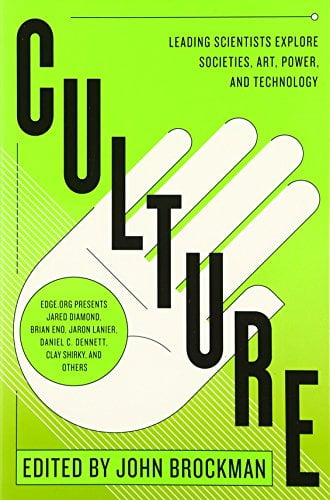
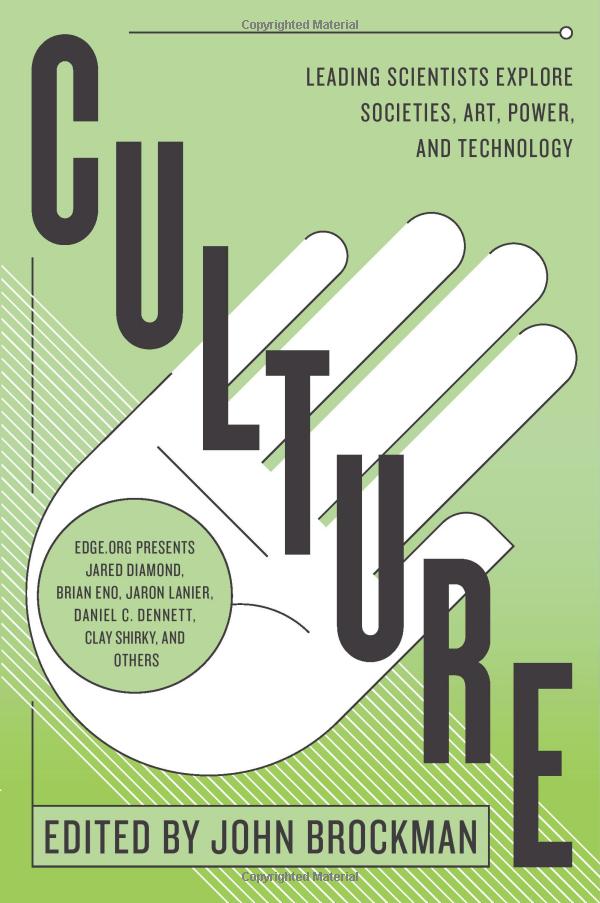
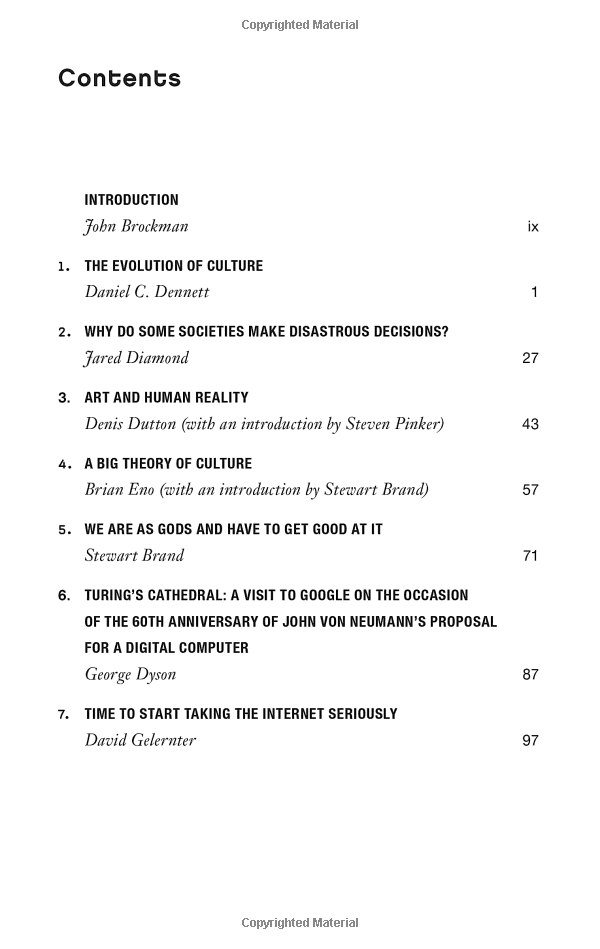
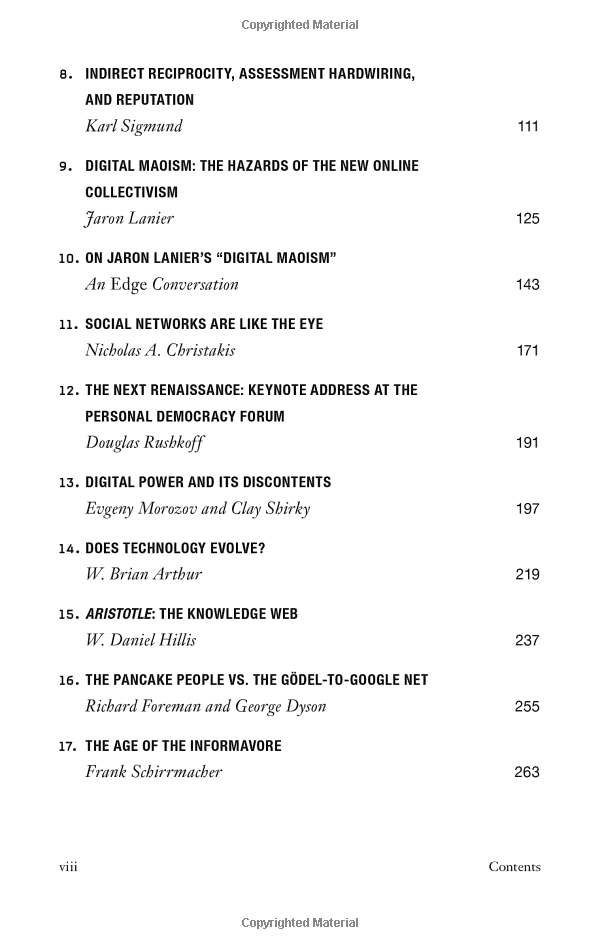
Discover the fascinating world of “Culture: Leading Scientists Explore Societies, Art, Power, and Technology (Best of Edge Series)”, edited by the renowned John Brockman. This groundbreaking collection is not just a compilation of essays but a master class that dives deep into the intricate tapestry of culture. You will find contributions from some of the world’s leading thinkers and scientists—figures like Jared Diamond, Daniel C. Dennett, Brian Eno, and Jaron Lanier—who collaboratively explore the crucial intersections of human behavior, creativity, and societal structures.
Each essay within this volume expands your understanding of how art, technology, and power shape our lives. Prepare for a stimulating journey that will challenge your perspectives and provoke thought. Just like the Chicago Sun-Times points out, this book is sure to buzz your brain. Culture presents a unique analysis of the factors that drive societal evolution, making it an essential read for anyone curious about the human experience and its many dimensions.
Culture: Leading Scientists Explore Societies, Art, Power, and Technology (Best of Edge Series) is a groundbreaking anthology edited by John Brockman, designed to provoke thought and expand your understanding of society’s intricate fabric. This collection presents original essays contributed by an impressive roster of eminent thinkers and scientists, including Jared Diamond, Daniel C. Dennett, Brian Eno, and Jaron Lanier. You might find yourself captivated by how these diverse perspectives interweave themes of art, psychology, power, and technology, offering an exploration that is as enlightening as it is engaging.
When you dive into this master class, you’ll experience firsthand the depth and insight that each contributor brings to the table. Whether your interests lie in economics or artistic vision, this book promises to stimulate your mind and provoke new ideas about the world we inhabit. Don’t miss your chance to immerse yourself in a work that challenges your perceptions and broadens your horizons; it is truly essential reading for anyone committed to understanding the complexities of modern culture.
Download Culture: Leading Scientists Explore Societies, Art, Power, and Technology (Best of Edge Series) PDF
Download book Culture: Leading Scientists Explore Societies, Art, Power, and Technology (Best of Edge Series) PDF or read ebook, epub, listen to audio books online for free book Culture: Leading Scientists Explore Societies, Art, Power, and Technology (Best of Edge Series) PDF by author John Brockman published by publisher Harper Perennial.
| Tác giả: | John Brockman. |
| Nhà xuất bản: | Harper Perennial. |
| Năm xuất bản: | 2011/08/16. |
| Trọng lượng: | 228gr. |
| Kích thước: | 20.3 x 1.7 x 13.5. |
| Số trang: | 304 trang. |
| Hình thức: | Bìa Mềm. |


Read Culture: Leading Scientists Explore Societies, Art, Power, and Technology (Best of Edge Series) Ebook Online
“Theway Brockman interlaces essays about research on the frontiers of science withones on artistic vision, education, psychology and economics is sure to buzzany brain.” —Chicago Sun-Times, on This Will Change Everything
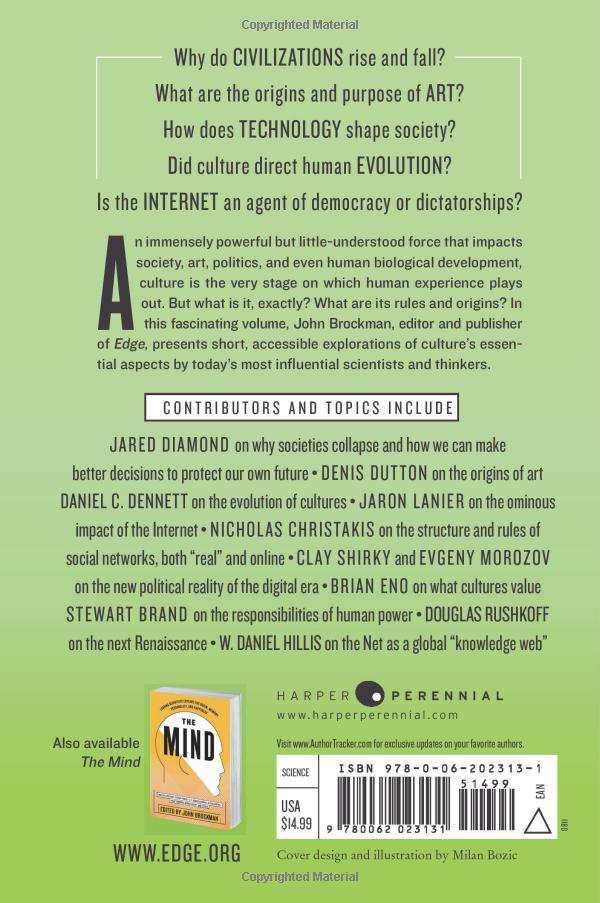
Launchinga hard-hitting new series from Edge.org and Harper Perennial, editor JohnBrockman delivers this cutting-edge master class covering everything you needto know about Culture. With original contributions by the world’sleading thinkers and scientists, including Jared Diamond, Daniel C. Dennett,Brian Eno, Jaron Lanier,Nicholas Christakis, and others, Culture offers a mind-expanding primeron a fundamental topic. Unparalleled in scope, depth, insight and quality, Edge.org’s Culture is not to be missed.
Review Culture: Leading Scientists Explore Societies, Art, Power, and Technology (Best of Edge Series)
In the compelling book “Culture: Leading Scientists Explore Societies, Art, Power, and Technology (Best of Edge Series)”, edited by John Brockman, you encounter a refreshing examination of how culture intertwines with various elements of human experience. You will find that Brockman’s ability to weave together essays from prominent scientists and thinkers such as Jared Diamond and Daniel C. Dennett not only broadens your understanding but also challenges conventional notions. Unlike many academic texts, this book embraces an interdisciplinary approach, marrying intricate studies of science with the realms of art, psychology, and even economics. You may like how each contribution is designed to provoke thought and ignite curiosity, providing you with a multifaceted view of culture’s profound impact. The engaging style keeps the reader hooked while providing rich insights, making it perfect for both casual readers and scholars alike. If you want a deeper grasp of how culture influences human progress and intellect without being bogged down by jargon, you find yourself in the right place with this exceptional collection. By the end of the book, you will not just revisit your ideas about culture; you will feel empowered to analyze societal shifts through the lens of art, power, and technology. Overall, Edge.org’s Culture is a treasure trove of knowledge that is difficult to overlook, ensuring it remains a significant addition to your reading list.
Culture: Leading Scientists Explore Societies, Art, Power, and Technology (Best of Edge Series) is a remarkable book that promises to challenge your thinking and enrich your understanding of our world. Edited by the influential John Brockman, this compilation brings together some of the most brilliant minds in various fields, including Jared Diamond and Daniel C. Dennett. If you seek knowledge that transcends traditional boundaries, this book is designed for you. The intricate way Brockman weaves together essays on science, art, psychology, and technology creates a coherent narrative that reflects the complexity of human culture. You will find yourself captivated by how these disciplines intersect and how they shape our societies. Like a treasure trove of insights, each essay functions as a gateway to understanding the interconnectedness of cultural elements. Notably, the contributions not only expand your intellectual horizons but also provoke critical thinking about the impacts of art and technology on our lives. Readers, however, might find some arguments challenging, prompting deeper reflection on personal beliefs. Overall, this book is a rich primer that blends knowledge and inspiration while addressing both historical and contemporary issues. If you are willing to engage with thought-provoking ideas and enter a dialogue with leading thinkers, you will discover the immense value this edge.org series brings to modern discourse. Don’t miss the opportunity to elevate your understanding of culture; it’s a journey that will surely leave you buzzing with new ideas.
Lessons from Culture: Leading Scientists Explore Societies, Art, Power, and Technology (Best of Edge Series)
Culture: Leading Scientists Explore Societies, Art, Power, and Technology (Best of Edge Series) offers an intriguing journey through the myriad dimensions of human existence. As you delve into this carefully curated work by John Brockman, you may find that it impressively intertwines the realms of science, art, and societal inquiry. Like a master weaver, Brockman stitches together contributions from luminaries such as Jared Diamond and Daniel C. Dennett. This collaboration showcases not only the achievements of leading thinkers but also the crucial interdependencies between culture and technology.
Your perception of cultural dynamics will likely transform. You might recognize how art can challenge power structures, and you may begin to see technology not merely as a tool but as a facilitator of societal evolution. Not unlike a spark igniting a flame, these insights could illuminate your understanding of humanity’s collective journey. You’ll appreciate how artists push boundaries while scientists explore metaphysical realms, urging you to transcend conventional narratives.
In evaluating the contributions, you might find that the essays encourage active engagement with intellectual challenges; this reinforces your belief in lifelong learning. While exploring psychology’s role in education, you could glean valuable lessons about empathy’s essential role in interpersonal relationships. It’s an invitation to embrace curiosity, question dogmas, and appreciate the vast tapestry of human experience.
Overall, Culture not only enhances your understanding but prompts a deep reflection of your place within society. You may come away with a renewed appreciation for cultural diversity, recognizing it as a strength. Embracing the insights from this work can guide you towards seeking a more holistic understanding of the abstract constructs that shape our world. Through exploration of societies, art, power, and technology, you can empower yourself to be a catalyst for change in your own community.
Culture: Leading Scientists Explore Societies, Art, Power, and Technology (Best of Edge Series) by John Brockman is an enlightening read that opens your mind to the intricate interplay between science and culture. You might find it astonishing how leading thinkers like Jared Diamond and Daniel C. Dennett dissect the complexity of societal constructs and artistic expression, revealing the multifaceted nature of human experience. This collection of essays is not just a compilation; it is a deep dive into the essence of what shapes our world.
One of the most vital lessons you can glean from this work is the importance of interdisciplinary thinking. The way Brockman intertwines insights from various fields illustrates that no idea exists in a vacuum. Here, social dynamics intersect with technological advancements, showing you that power, art, and science are often in a dance—each influencing and reshaping the others. You should consider how your understanding of each discipline can better inform the others in your own life.
Moreover, you might resonate with the idea that culture is not static but continuously evolving. The contributions by renowned scientists challenge you to think critically and to see beyond established norms. Like them, you should strive to be a lifelong learner. Adaptability is a recurring theme; embracing new perspectives can ignite innovation in your personal and professional life.
In reflecting upon these ideas, you’ll realize that engaging with diverse thoughts not only enriches your understanding but also enhances your ability to navigate the complexities of modern society. The need to question and analyze becomes second nature, allowing you to develop a more comprehensive worldview. You may also discover how the arts provoke emotional engagement that complements scientific inquiry, suggesting a balanced approach to knowledge acquisition.
In conclusion, reading this book empowers you to explore the boundaries of your own understanding, challenging you to cultivate a more nuanced perspective on culture and its impacts. The synergy of science and art becomes a beacon, leading you towards not only personal growth but also societal contribution.