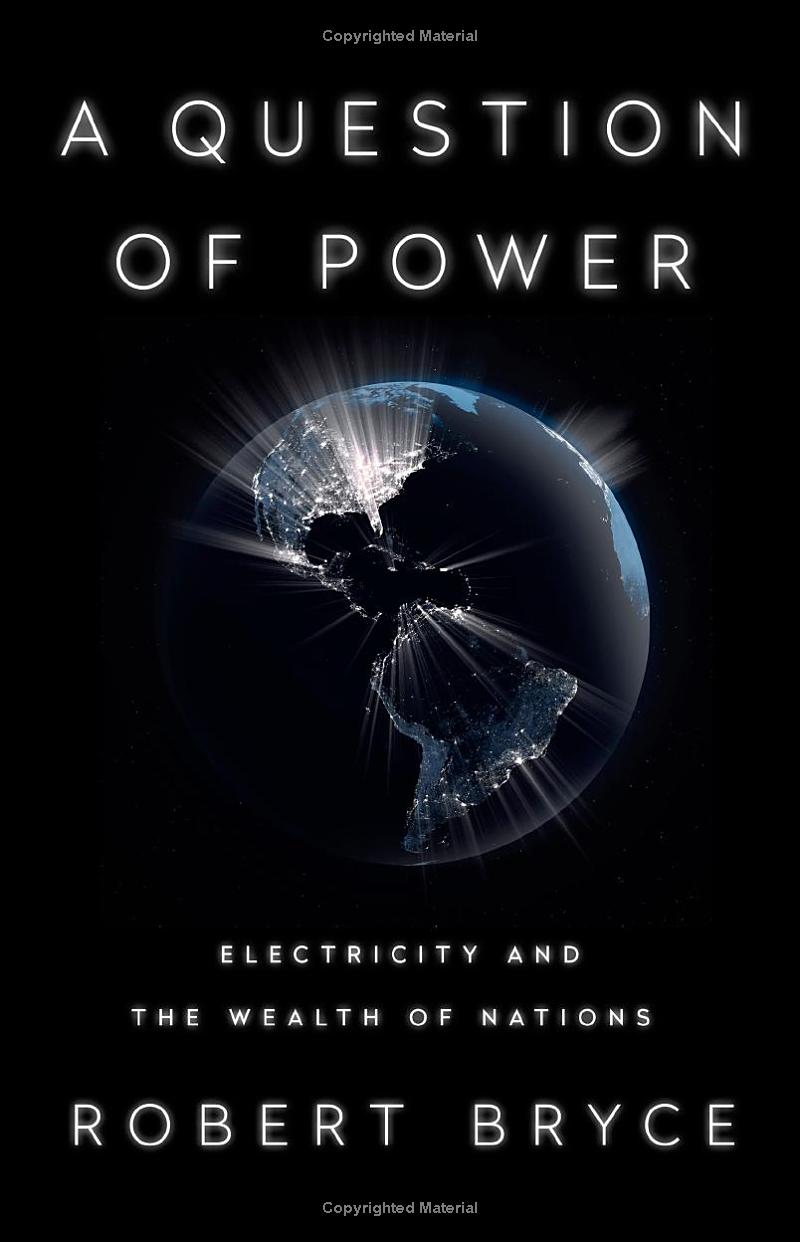
A Question Of Power: Electricity And The Wealth Of Nations delves into the intricate history of electricity, unraveling its significance in shaping both societies and economies. Authored by acclaimed journalist Robert Bryce, this book presents an insightful exploration of the global energy landscape, revealing that global demand for power is rapidly increasing, doubling every two decades. Yet, despite its rising importance, you will discover that electricity remains a challenge to supply consistently. The reality is stark: around three billion individuals live in regions where their electricity consumption rivals that of an average American refrigerator.
In your journey through this narrative, you will see how the divide between the electricity-rich and the electricity-poor impacts essential issues such as women’s rights, inequality, and climate change. With vivid reporting from diverse locales, Bryce highlights the crucial elements required for effective electrification, revealing what keeps many trapped in darkness. You will find the author’s compelling arguments underscoring that while renewables are vital, nuclear energy must assume a larger role if we are genuinely committed to tackling climate challenges. This book is a vital resource for understanding how electricity empowers nations and shapes our future.
A Question Of Power: Electricity And The Wealth Of Nations by Robert Bryce is an insightful exploration of the intricate relationship between electricity and the prosperity of nations. As global demand for power continues to surge, Bryce illuminates the stark contrast between those with access to plentiful energy and those who are left in the dark. You will discover how approximately three billion people live with less electricity than a standard American refrigerator uses—a striking inequality that influences critical issues such as women’s rights, inequality, and climate change.
Delving into captivating stories from diverse locations such as India, Iceland, and Puerto Rico, Bryce masterfully uncovers the vital role that reliable electricity plays in our everyday lives. You will find compelling arguments against the belief that renewable energy alone can meet our needs, advocating for the significant inclusion of nuclear energy in the clean energy conversation. This is not just a book about electricity; it’s a vital narrative that connects the threads of energy, civilization, and our collective future.
Download A Question Of Power: Electricity And The Wealth Of Nations PDF
Download book A Question Of Power: Electricity And The Wealth Of Nations PDF or read ebook, epub, listen to audio books online for free book A Question Of Power: Electricity And The Wealth Of Nations PDF by author Robert Bryce published by publisher PublicAffairs.
| Tác giả: | Robert Bryce. |
| Nhà xuất bản: | PublicAffairs. |
| Năm xuất bản: | 2023. |
| Ngôn ngữ: | Tiếng Anh. |
| Trọng lượng: | 330gr. |
| Kích thước: | 21 x 14.1 x 3 cm. |
| Số trang: | 368 trang. |
| Hình thức: | Bìa Mềm. |






Read A Question Of Power: Electricity And The Wealth Of Nations Ebook Online
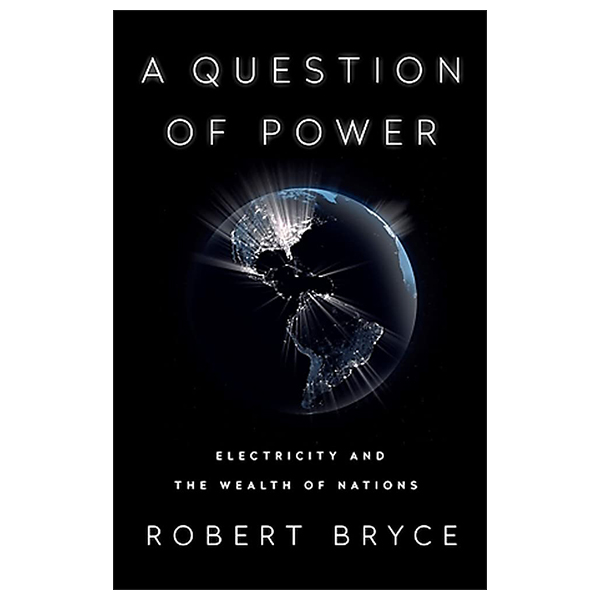
A Question of Power: Electricity and the Wealth of Nations
An acclaimed author and celebrated journalist breaks down the history of electricity and the impact of global energy use on the world and the environment.
Global demand for power is doubling every two decades, but electricity remains one of the most difficult forms of energy to supply and do so reliably. Today, some three billion people live in places where per-capita electricity use is less than what’s used by an average American refrigerator. How we close the colossal gap between the electricity rich and the electricity poor will determine our success in addressing issues like women’s rights, inequality, and climate change.
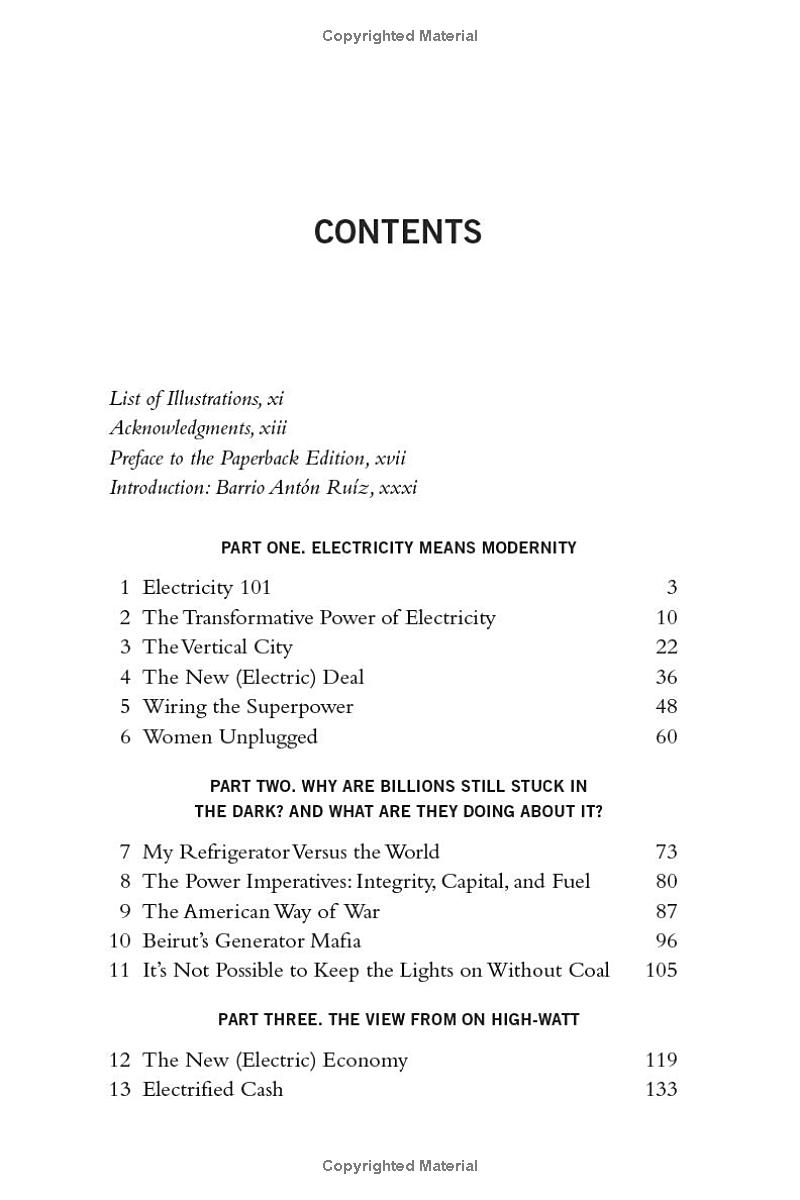
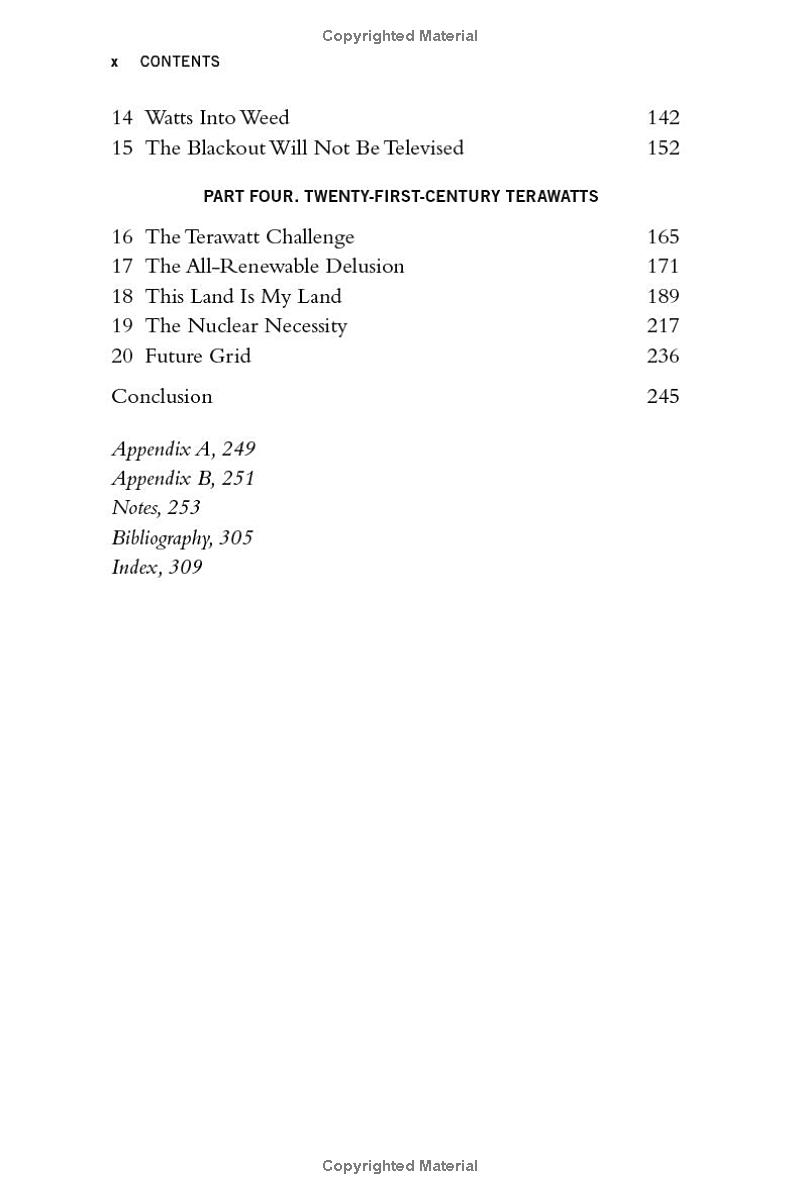
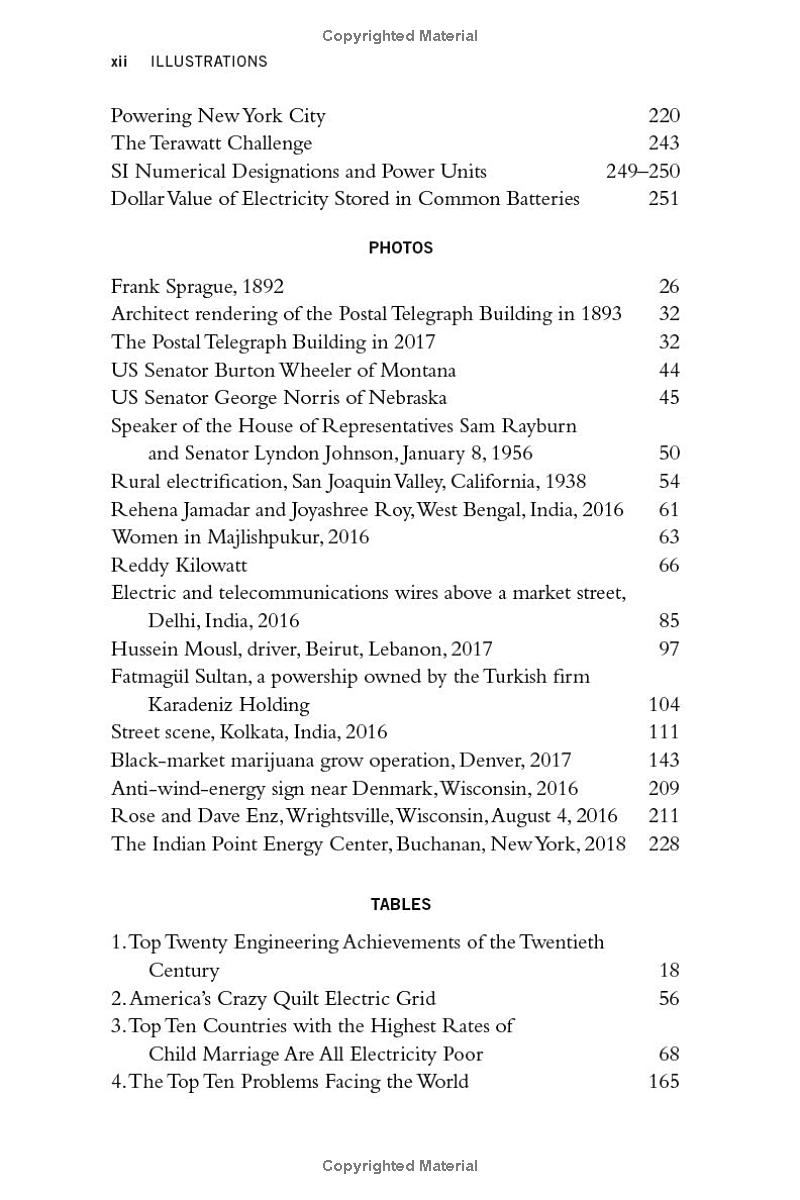
In A Question of Power, veteran journalist Robert Bryce tells the human story of electricity, the world’s most important form of energy. Through onsite reporting from India, Iceland, Lebanon, Puerto Rico, New York, and Colorado, he shows how our cities, our money–our very lives–depend on reliable flows of electricity. He highlights the factors needed for successful electrification and explains why so many people are still stuck in the dark.
With vivid writing and incisive analysis, he powerfully debunks the notion that our energy needs can be met solely with renewables and demonstrates why–if we are serious about addressing climate change–nuclear energy must play a much bigger role.
Electricity has fuelled a new epoch in the history of civilization. A Question of Power explains how that happened and what it means for our future.
Review A Question Of Power: Electricity And The Wealth Of Nations
A Question Of Power: Electricity And The Wealth Of Nations by Robert Bryce is a profound exploration of the profound influence electricity wields over our lives and societies. You find yourself captivated as Bryce unveils the history of this crucial energy source, revealing its impact on global power dynamics and social progress. Like a guide through the electrifying maze of history and modernity, he offers a narrative that intertwines personal stories with overarching themes of inequality, women’s rights, and climate change. You may initially perceive it as just another book on energy, but it swiftly transcends that notion by providing a comprehensive analysis that highlights the stark realities faced by billions still living without adequate power. Notably, Bryce’s stance on the necessity of nuclear energy challenges common beliefs about renewable sources solely solving our energy issues. If you’re serious about understanding how electricity shapes nations and their wealth, this book is crucial. Its vivid writing and rich insights empower you to appreciate not only the importance of electrification but also the strategies necessary to bridge the divide between the ‘electricity rich’ and the ‘electricity poor.’ In a world where global power needs are escalating, A Question Of Power serves as a wake-up call. You will find yourself questioning existing paradigms about energy use and sustainability. Overall, this book is a vital resource for anyone interested in the complex interplay of energy, society, and our future.
A Question Of Power: Electricity And The Wealth Of Nations by Robert Bryce presents an essential exploration of the intricate relationship between electricity and global wealth. You might find yourself captivated by Bryce’s engaging narrative style, as he delivers a compelling history of electricity that highlights its critical role in shaping civilizations. Not like other dry accounts, this book infuses human stories and vivid descriptions, allowing you to grasp the societal implications of energy access. The global perspective he provides through his on-the-ground reporting from various countries not only enlightens you but also prompts you to consider the inequality in energy distribution. You may not like the stark reality that about three billion people still live with inadequate electricity, but this understanding is vital for recognizing the urgent need for change. Bryce’s incisive critiques of the limitations of renewable energy solutions challenge readers to rethink their perceptions and advocate for a more balanced approach that includes nuclear energy. This combination of thoughtful insights and robust analysis makes the book not only informative but also thought-provoking, compelling you to engage with the complexities of our energy future. If you seek a deeper understanding of how electricity impacts societal dynamics, climate change, and global progress, then this book is a must-read. Ultimately, Bryce’s work serves as a crucial reminder that the quest for equitable electricity access is tied directly to broader questions of human rights and sustainability, leaving you with many questions about the future.
Lessons from A Question Of Power: Electricity And The Wealth Of Nations
In my view, “A Question Of Power: Electricity And The Wealth Of Nations” offers profound insights into the intricate relationship between electricity and societal progress. You might find it enlightening to consider how global demand for power is doubling, yet many still live without reliable electricity. This stark contrast ignites a sense of urgency; it prompts you to reflect on the inequalities present in our world today. Like the author Robert Bryce, you might feel compelled to examine how our lives hinge on dependable electrical systems. The emphasis on nuclear energy serves as a crucial lesson—transitioning solely to renewables may not suffice; a more balanced approach is essential in combating climate change. Not only does this book highlight the need for reliable power, but it also evokes a deeper understanding of the complexities tied to reaching electrification globally. Imagine living where access to electricity is a distant dream, drastically different from your daily experience with modern conveniences. Through Bryce’s analysis, it becomes clear that closing the gap between the electricity rich and poor is vital for progress in areas such as women’s rights and inequality. You might take away an enduring lesson: that the quest for energy equity is intertwined with broader social issues, making it a fundamental challenge of our times. Embracing this knowledge could empower you to advocate for sustainable solutions that are both inclusive and effective for a collective future. As you engage with this material, consider how you can contribute to the ongoing dialogue surrounding energy access, sustainability, and the empowerment of communities around the globe. After all, electricity isn’t just about lighting homes; it’s about illuminating the path toward a fairer, more connected world.
A Question Of Power: Electricity And The Wealth Of Nations by Robert Bryce truly reshapes how you view electricity and its critical role in modern society. You might feel inspired to dig deeper into how global energy consumption affects issues like inequality and women’s rights. Did you know that billions still lack access to fundamental electricity? This stark contrast highlights the gaps we must bridge. It’s not just about powering homes; it’s about creating equity and opportunity for all. You may find yourself reflecting on how electricity influences your daily life and the comforts you take for granted. Understanding the complexities of energy demands a critical eye. Like Bryce, you may start questioning whether merely focusing on renewables is enough for sustainable progress. The insight that nuclear energy must play a larger role could challenge your current views. Ultimately, the book serves as a reminder that our future hinges on reliable access to electricity. Staying informed and engaged becomes your responsibility. You will likely take away a profound understanding of power dynamics—not just in terms of energy supply, but also in social justice. The journey through Bryce’s narrative could ignite your passion for advocating changes that ensure electricity becomes a foundational pillar for all nations, promoting environmental stability and economic growth. In the end, you realize that addressing the electricity divide isn’t just about technology; it’s about human dignity and development. This perspective may lead you to ask, “What can I do to help change the narrative on electricity access?”