A Japanese Reader – Graded Lessons For Mastering The Written Language, authored by Roy Andrew Miller, serves as a vital resource for anyone eager to enhance their Japanese reading skills. This book provides a curated selection of graded readings, written in modern Japanese, carefully structured to support foreign students in achieving reading proficiency. You will find yourself immersed in authentic texts from renowned 20th-century authors like Mishima, Akutagawa, and Kawabata, cultivating not just linguistic ability but also cultural appreciation.
The journey begins at the fundamental level, systematically guiding you through a series of lessons that progressively challenge your understanding of the language. You will explore the nuances of the Japanese writing system, grammar, and cultural contexts, making your learning process both comprehensive and engaging. Each lesson builds on the previous one, ensuring you grasp the material before advancing. As you progress, you’ll discover fascinating insights into Japanese culture, enriching your overall learning experience. Whether you aim to read novels or understand daily conversations, this book will put you on a path toward mastery of the written Japanese language.
A Japanese Reader – Graded Lessons For Mastering The Written Language by Roy Andrew Miller is an essential resource for anyone eager to delve into the intricacies of the Japanese written language. Designed for foreign students, this book offers a carefully curated selection of graded readings that reflect the modern Japanese utilized in literature, magazines, and newspapers. You’ll find authentic excerpts from renowned 20th-century authors such as Mishima and Kawabata, enriching your understanding of both the language and Japanese culture.
With a focus on the essentials, lessons one through seventeen introduce you to the Japanese writing system, while subsequent lessons gradually build your knowledge of grammar and advanced topics. You will explore various aspects of Japanese life, including literature, art, and philosophy, ensuring that each lesson feels relevant and engaging. Unlike other resources, this book begins with complete beginners in mind, making it easier for you to perceive learning as an achievable goal. As you progress, your proficiency in reading—and even writing—will grow, limited only by your commitment and time. Take the first step and embrace the beauty of mastering Japanese through graded lessons tailored to your learning journey.
Download A Japanese Reader – Graded Lessons For Mastering The Written Language PDF
Download book A Japanese Reader – Graded Lessons For Mastering The Written Language PDF or read ebook, epub, listen to audio books online for free book A Japanese Reader – Graded Lessons For Mastering The Written Language PDF by author Roy Andrew Miller published by publisher Tuttle Publishing.
| Tác giả: | Roy Andrew Miller. |
| Nhà xuất bản: | Tuttle Publishing. |
| Năm xuất bản: | 1990. |
| Ngôn ngữ: | Tiếng Anh. |
| Trọng lượng: | 480gr. |
| Kích thước: | 22.8 x 15.2 x 2 cm. |
| Số trang: | 250 trang. |
| Hình thức: | Bìa Mềm. |

Read A Japanese Reader – Graded Lessons For Mastering The Written Language Ebook Online
A Japanese Reader: Graded Lessons for Mastering the Written Language
This book is a selection of graded Japanese readings written in modern Japanese.
An excellent way to learn Japanese, A Japanese Reader is designed for the foreign student of Japanese who is interested in attaining and developing proficiency in reading Japanese, the style of which is in current use in books, magazines, and newspapers in Japan. It also includes authentic excerpts from works by 20th-century Japanese masters Mishima, Akutagawa, Kawabata, and others.
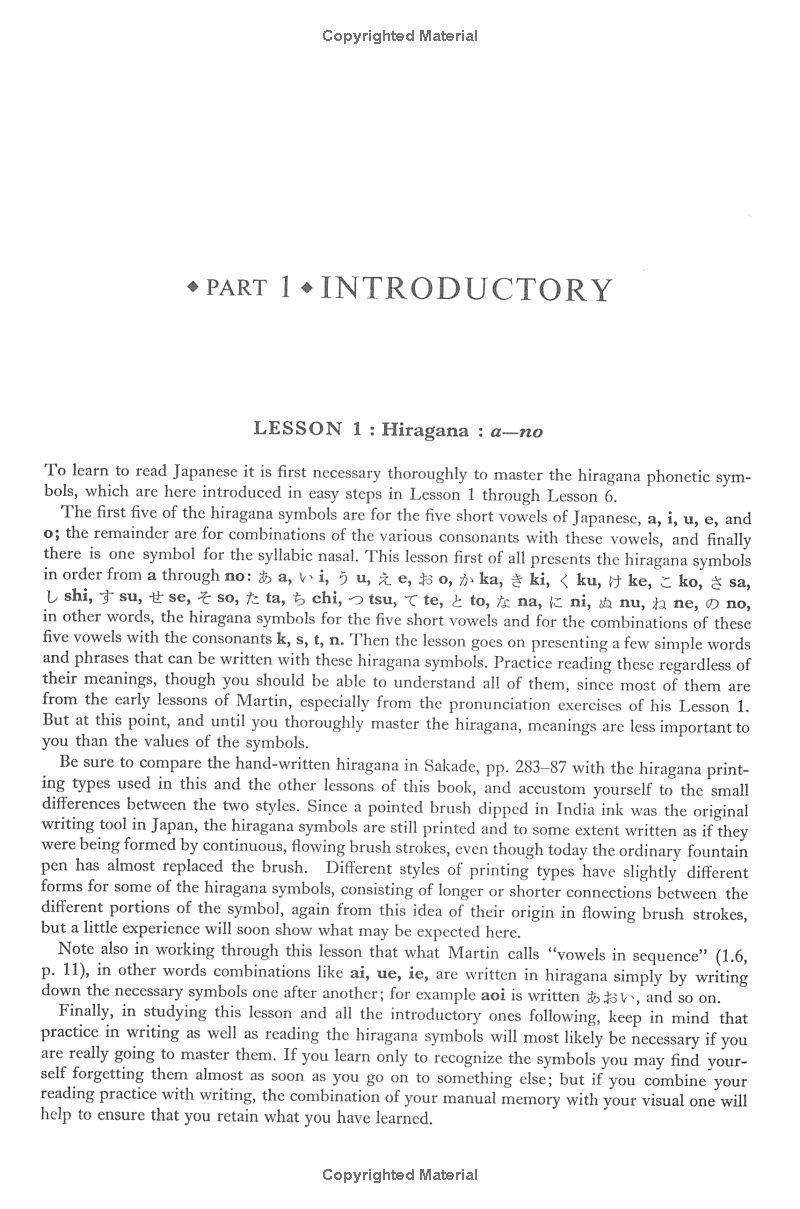
Although A Japanese Reader supposes some acquaintance with the spoken Japanese language, it does not assume any knowledge of written Japanese and starts from and very beginning, advancing in graded readings up through quite difficult materials. Learning the modern Japanese written language is by no means a difficult task for the student of the Japanese language as it is often made to appear. The most important thing in such a study is to get yourself started in the correct direction—after that, the progress you make and the eventual proficiency you will gain in reading (and writing) the language are limited only by the amount of time and effort you are able or willing to devote to the task. Attention has been given throughout the volume to grading materials in the order of progressive difficulty, though in many cases familiarity on the part of a student with the subject matter involved may well make a particular selection somewhat easier for him than others further on in the book. Partly to assist in the understanding of the reading selections and partly because it is felt that few students will wish to become proficient in reading Japanese and still remain uninterested in Japanese culture and cultural history, an attempt has also been made to indicate where possible significant collateral readings available in English, especially for some of the sections which deal with distinctive aspects of Japanese life and culture.
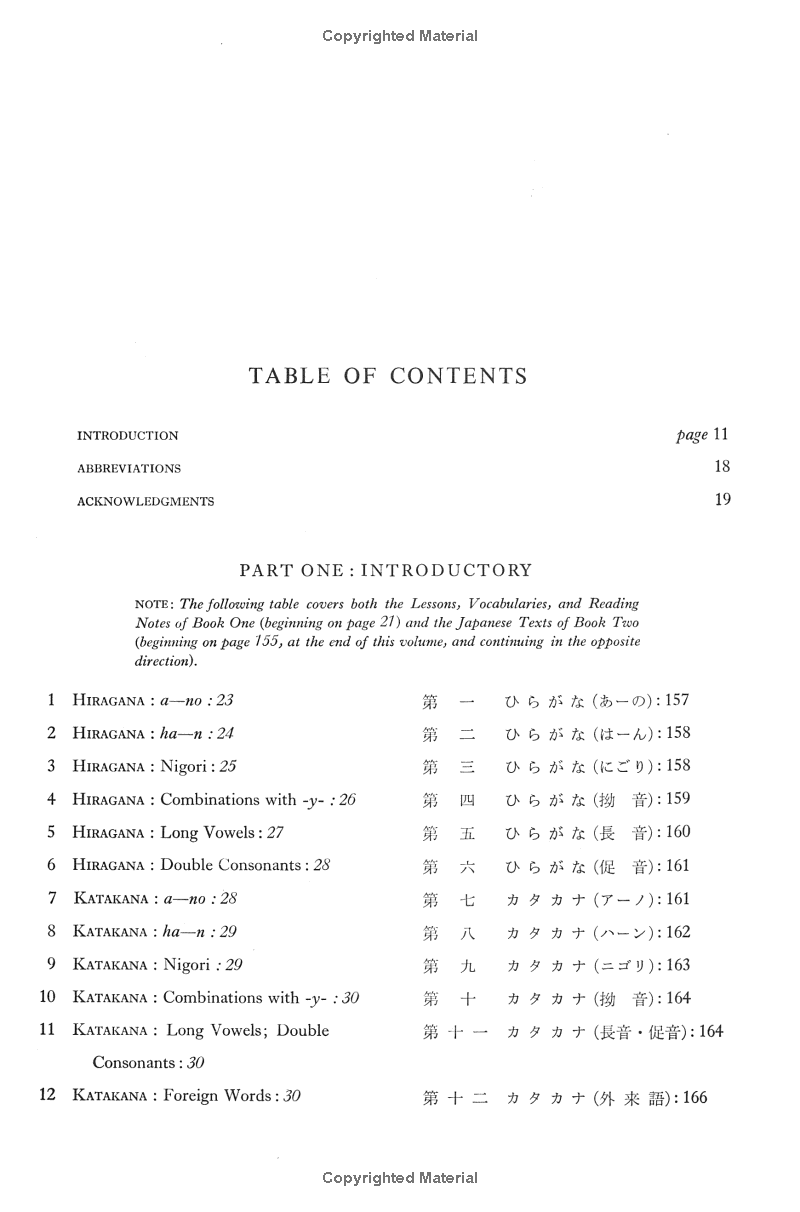
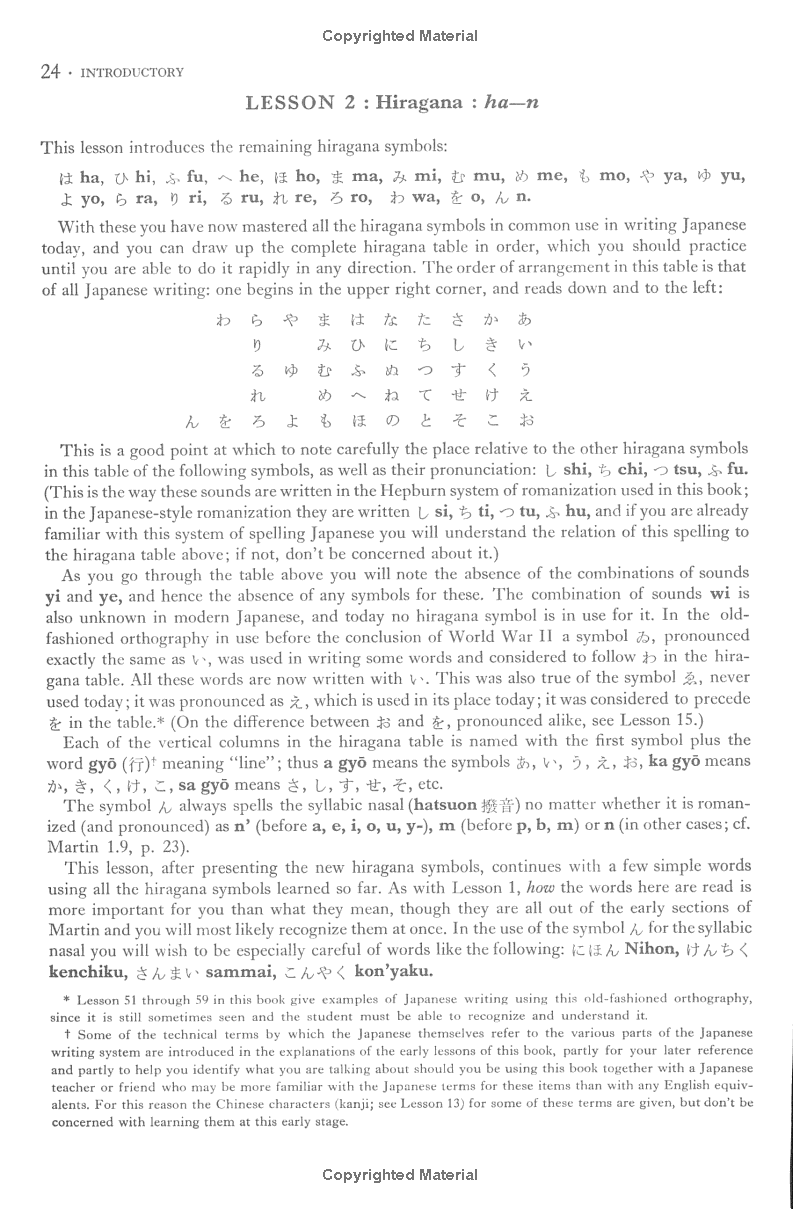
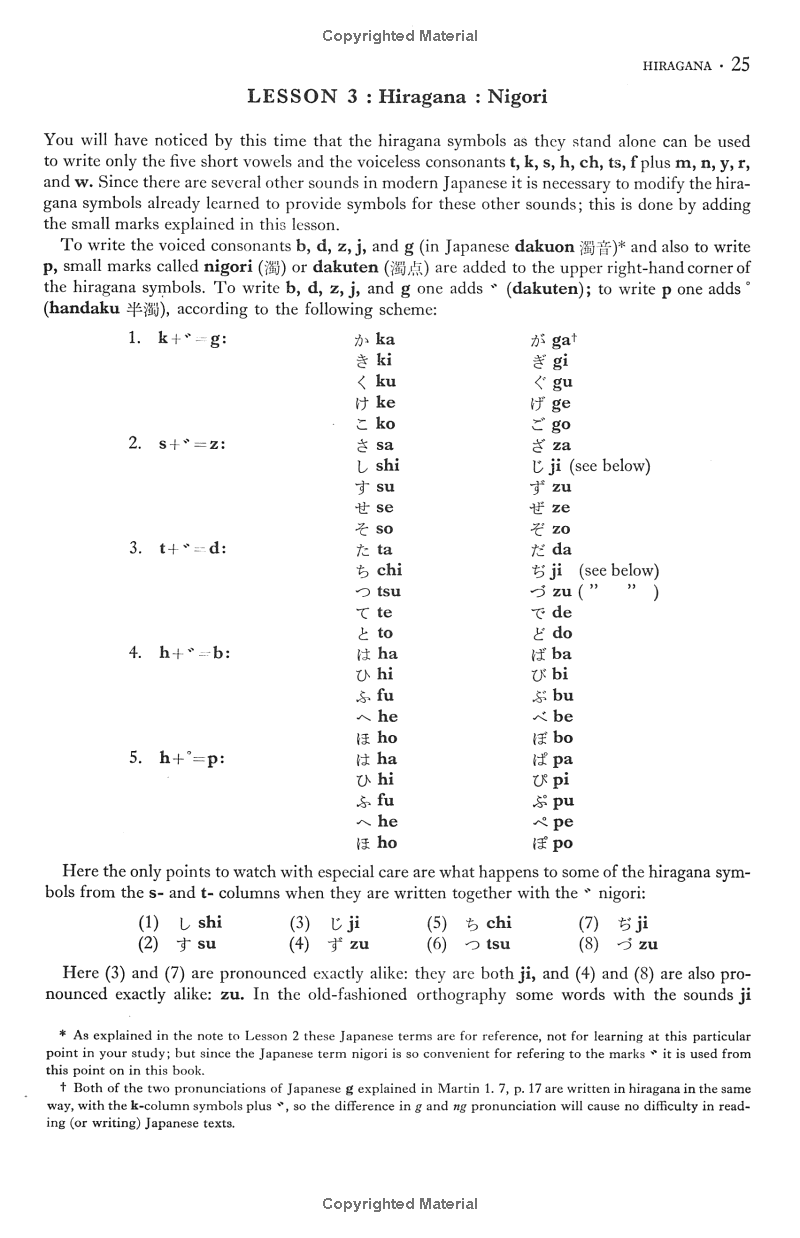
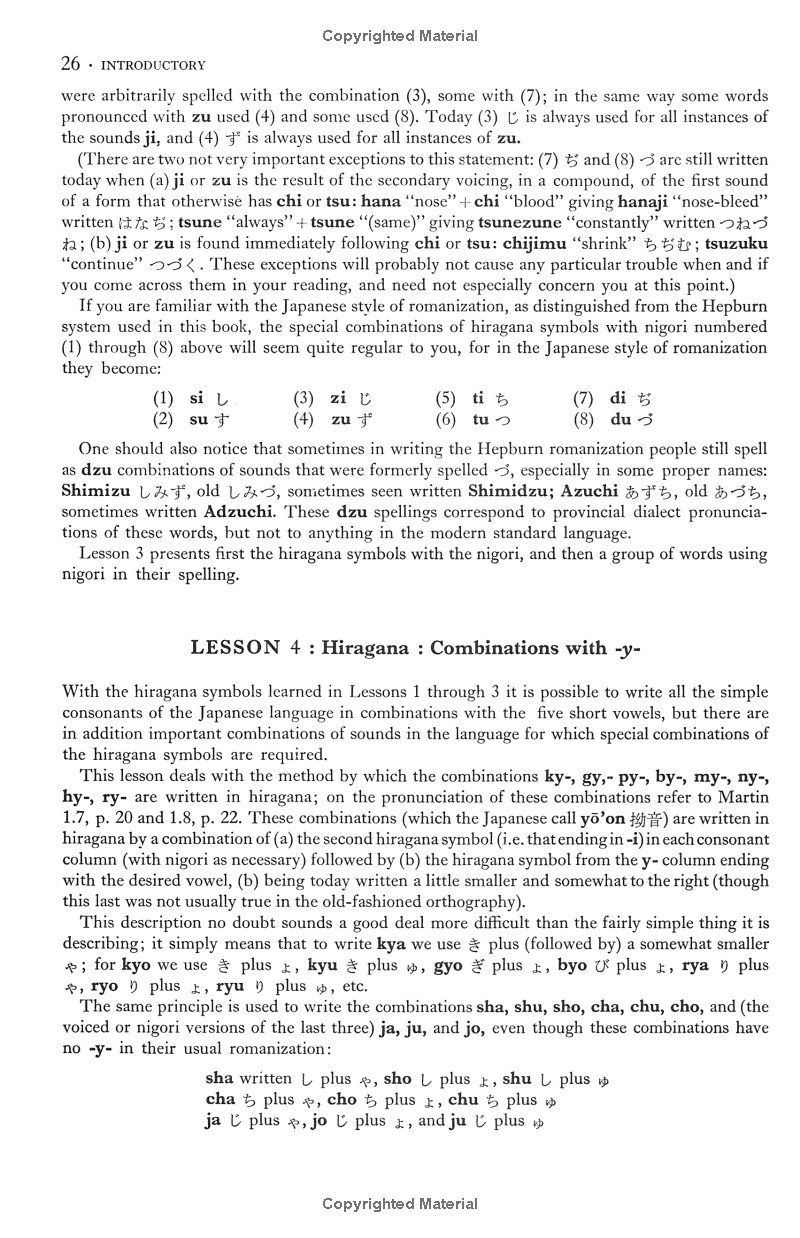
Lessons 1 through 17 deal with the essentials of the Japanese writing system, as it is used in Japan today.
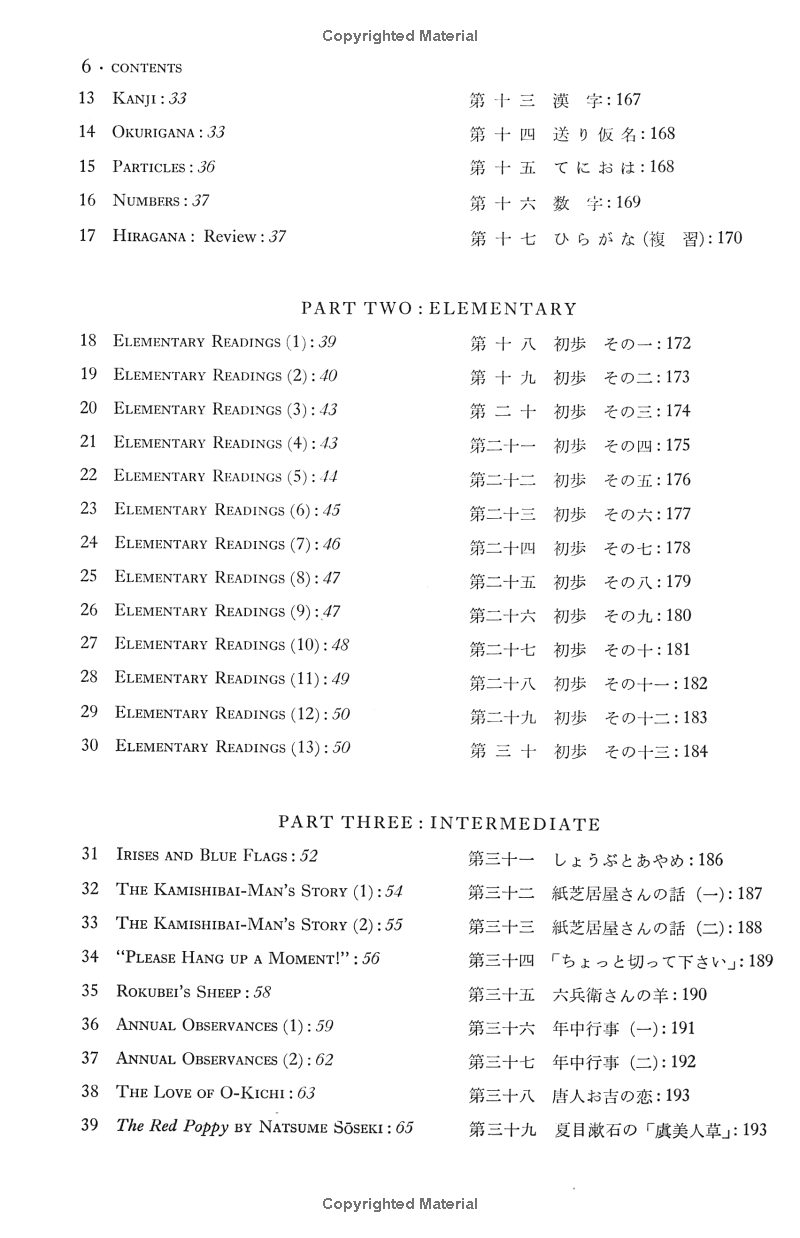
Lessons 18 through 30 deal with building a working knowledge of Japanese grammar and introducing the Japanese system of writing.
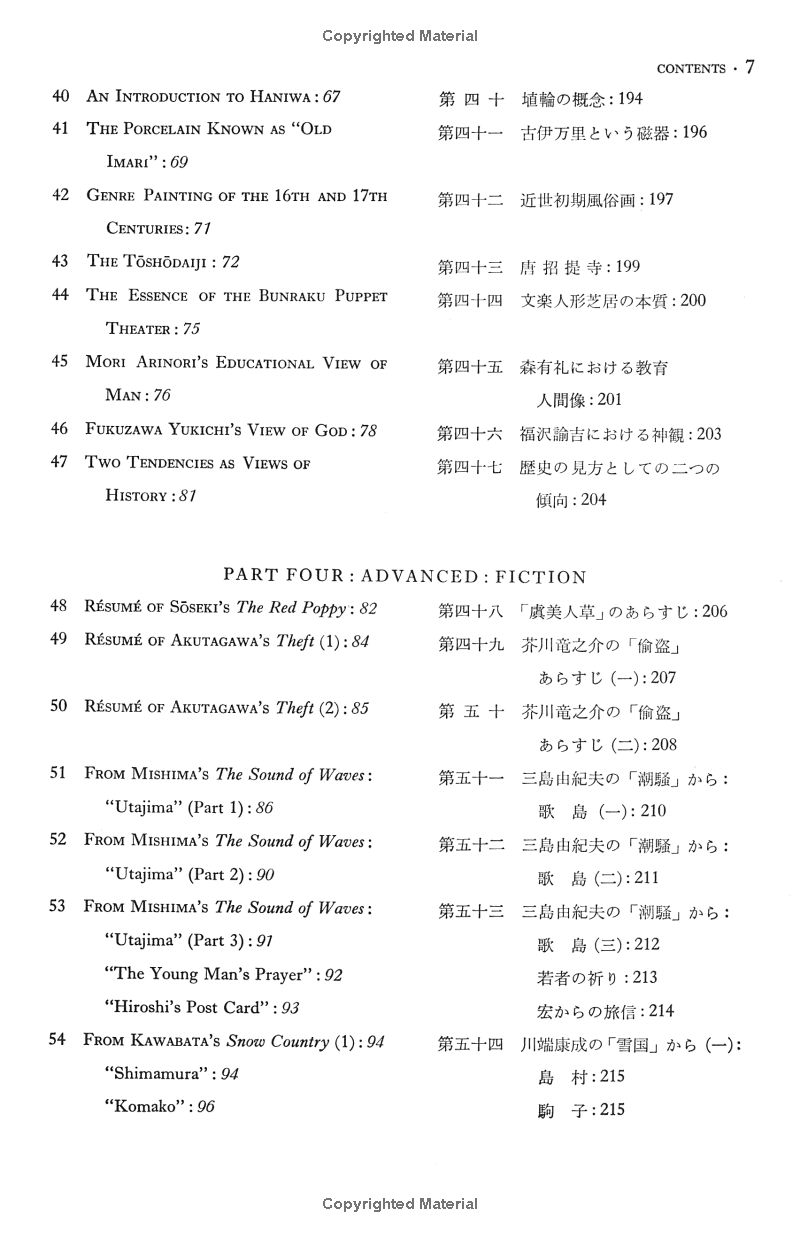
Lessons 31 through 38 are selections of intermediate difficulty and largely deal with Japanese life and customs. Included are readings of Japanese literature, archaeology, ceramic art, painting, Buddhism, the theater, and political science and philosophy.
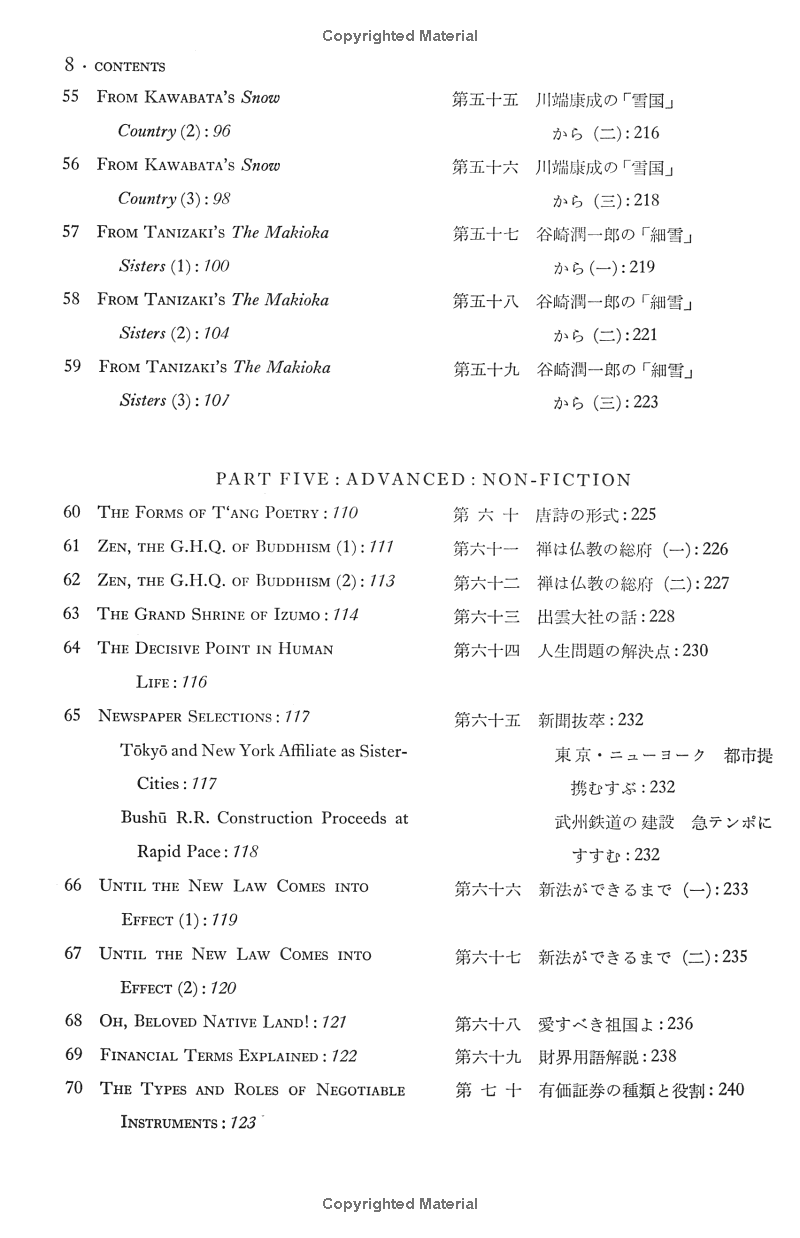
Lessons 48 through 59 are of increasing difficulty and include criticisms, resumes, a short text from Meiji and Taisho literature, and excerpts from important Japanese novels.
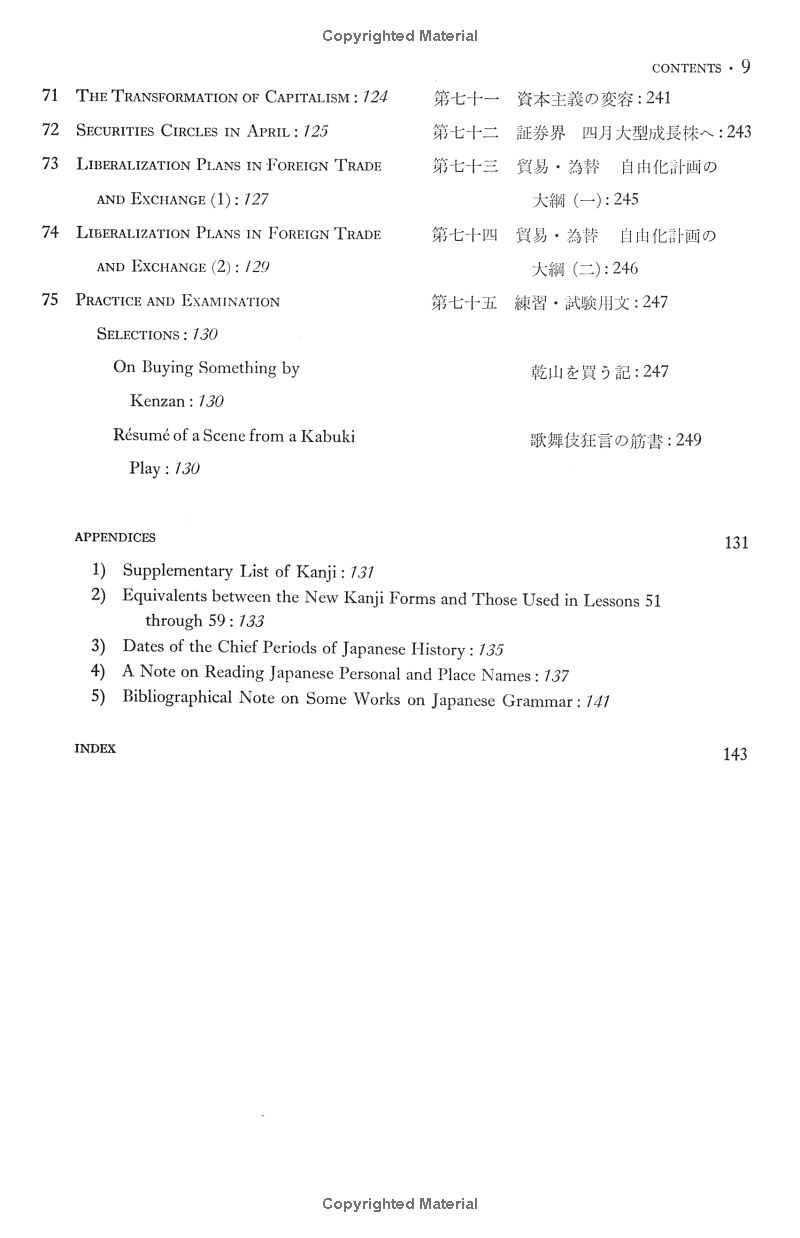
Lessons 60 through 75 are of advanced difficulty and provided further readings with a considerable variety of content including Sinology, Zen Buddhism, Shinto, Christianity, newspapers, economics and finance, and Japanese government policies.
Review A Japanese Reader – Graded Lessons For Mastering The Written Language
A Japanese Reader – Graded Lessons For Mastering The Written Language is a vital resource for anyone serious about mastering the intricacies of the Japanese written language. As you embark on this challenging yet rewarding journey, you’ll find that the book’s structured approach makes learning engaging and achievable. Beginning with the essentials, the graded readings gradually elevate your skills, enabling you to navigate through increasingly complex materials. Unlike many language resources, this book does not just assume prior knowledge of written Japanese, making it exceptionally beginner-friendly. Each lesson is thoughtfully designed, allowing you to build your understanding of the language while exploring diverse aspects of Japanese life and culture.
You’ll appreciate how the text incorporates authentic excerpts from notable 20th-century Japanese masters, enriching your learning experience with cultural context. This integration of literature helps you develop a deeper appreciation for the language while simultaneously honing your reading and writing skills. Furthermore, the book offers connections to significant collateral readings in English, enhancing your understanding of Japanese customs and historical backgrounds.
In a world where language learning tools can often overwhelm you, A Japanese Reader stands out as a systematic guide that emphasizes gradual progress over frustration. With lessons that focus on essential grammar and cultural insights, the book serves as both a practical tool for learners and a gateway to immerse yourself in the richness of Japanese history. Whether you’re a novice or someone seeking to refine your skills, this book is undoubtedly a treasure trove for anyone eager to explore the beauty of the Japanese written language.
A Japanese Reader – Graded Lessons For Mastering The Written Language is an invaluable resource for anyone eager to delve into the world of Japanese literature and culture. This book artfully balances the complexity of the written language with a structured grading system that makes learning accessible for students starting from scratch. You will find that each lesson builds on the previous one, creating a seamless flow from basic concepts to more intricate readings on themes like Japanese customs and history. The inclusion of passages from renowned authors such as Mishima and Kawabata not only enriches your learning experience but also connects you emotionally to the essence of Japanese culture. While some may feel overwhelmed by the perceived challenges of learning written Japanese, this text dispels those fears by encouraging steady progress and consistent exposure. It’s like having a mentor guiding you through each stage of your learning journey. You will appreciate the book’s attention to cultural context, offering insights into a world that is as fascinating as the language itself. This comprehensive approach ensures you don’t merely learn to read Japanese; you will also cultivate a deep appreciation for its rich heritage. Whether you are a novice or looking to refine your skills, A Japanese Reader stands out as an essential tool. It beckons you to embrace the joy of mastering the written language while bridging the gap between linguistic ability and cultural understanding. In essence, this book is not just for studying; it’s an invitation to explore the beauty and complexity of Japan.
Lessons from A Japanese Reader – Graded Lessons For Mastering The Written Language
If you are seeking to deepen your understanding of the Japanese language, you will find “A Japanese Reader – Graded Lessons For Mastering The Written Language” to be an invaluable resource. This book offers a structured approach for learners like you, starting from the essentials of the writing system and progressing towards more complex readings. You will discover that the journey of mastering written Japanese is not as daunting as it may initially seem, because your commitment and enthusiasm can significantly influence your success. The graded lessons are designed to provide continuous motivation by gradually increasing the difficulty, which allows for a more satisfying learning experience.
One key life lesson you might glean from this book is the importance of patience and persistence. As you read through selections inspired by 20th-century literary masters, you’ll recognize the richness of Japanese culture intertwined with language learning. Engaging with the authentic material enhances not only your language skills but also broadens your cultural perspective. You may find that a personal connection to the subject matter is crucial; it often makes seemingly challenging lessons feel more accessible. This adaptability encourages you to embrace the learning process as a meaningful journey rather than a mere task.
Moreover, you will appreciate that understanding grammar and sentence structure in Japanese—while challenging—opens new avenues for expression. The initial lessons are critical; they lay the foundation for your future progress. As you tackle lessons covering concepts from ceramic art to Zen Buddhism, keep in mind that every new piece of knowledge contributes to your overall aptitude.
Ultimately, “A Japanese Reader” serves not just as a textbook, but also as a guide for developing transferable skills applicable beyond language acquisition. Whether in literature or cultural comprehension, you will enhance your ability to articulate thoughts and appreciate diverse perspectives. Embarking on this adventure will undoubtedly enrich your life, while the beauty of the Japanese language unfolds before you.
A Japanese Reader – Graded Lessons For Mastering The Written Language by Roy Andrew Miller is an invaluable resource for anyone looking to improve their skills in reading modern Japanese. What you will like about this book is how it systematically guides you from the foundational aspects of the writing system to some of the more intricate facets of Japanese literature and culture. You start from scratch, a format that not only caters to beginners but also promotes a gradual progression through various levels of difficulty. This approach makes learning feel less intimidating, even if it may seem daunting at first.
Notably, you will find that the lessons encompass a wide range of topics, from Japanese customs to significant cultural aspects. You might not be familiar with all these elements initially but as you advance, you will build your understanding and appreciation for Japanese life. This enlightening journey brings a sense of accomplishment, especially as you engage with authentic texts from renowned authors like Mishima and Kawabata. It shows you that cultural immersion can enhance linguistic skills profoundly, and fosters a connection between language and lifestyle.
Moreover, you may appreciate how the book addresses the grammar intricacies while simultaneously engaging your interest in the broader cultural context. You will not find just a dry academic text; it invites you to explore the essence of what it means to be a part of the Japanese-speaking community. As you immerse yourself, you might realize that the real challenge lies not in the language itself, but in the dedication and time you choose to invest in mastering it.
The lessons on advanced topics such as Zen Buddhism and Japanese political philosophy serve as a reminder that language learning is not only about words but also about understanding the heart and soul of a culture. You will find that the process transforms you, allowing you to enrich your worldview. Ultimately, this journey highlights a vital life lesson: progress comes with persistence, and immersing yourself in a culture can be as empowering as acquiring language skills themselves.